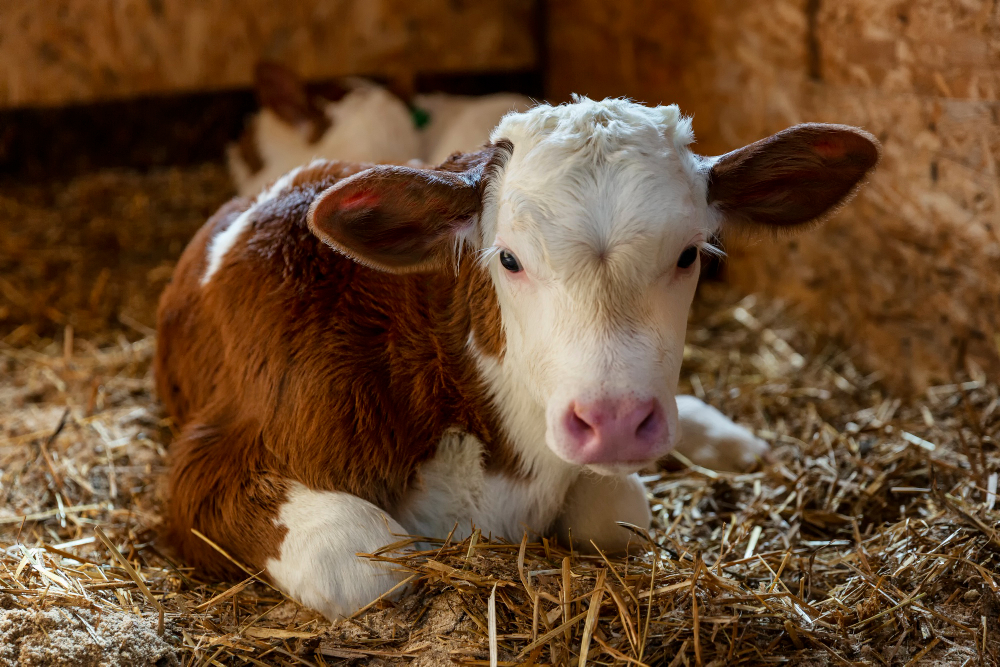
Ferrodern Iron Supplement supports red blood cells by supplying bioavailable iron for hemoglobin synthesis. Healthy hemoglobin carries oxygen efficiently across active tissues, muscles, and vital organs.
Young livestock, pregnant females, and athletic animals face high oxygen demands every day. Iron shortages slow red blood cell formation and reduce stamina during routine work. Pale mucous membranes and sluggish growth often warn farmers of declining blood health. Ferrodern Iron Supplement helps close nutritional gaps before clinical anemia takes hold.
Role of Iron in Oxygen Transport and Metabolism
Iron sits at the core of every hemoglobin molecule inside circulating red blood cells. It binds oxygen in the lungs and releases it where working tissues need energy. Without enough iron, oxygen delivery drops and cellular energy output falls behind.
Cellular enzymes also depend on iron to run daily metabolic reactions smoothly. Myoglobin stores oxygen inside skeletal and cardiac muscle fibers for sustained exertion. Even mild iron depletion can leave animals tiring easily during handling or grazing.
- Hemoglobin synthesis requires steady iron availability inside active bone marrow.
- Oxygen delivery supports muscle stamina, heart function, and mental alertness.
- Myoglobin function aids oxygen storage within hard-working muscle groups.
- Immune competence relies on iron-dependent enzymes that fight invading pathogens.
High-Risk Stages in Livestock and Companion Animals
Rapid growth puts heavy demands on limited iron stores in newborn animals. Milk contains very low iron levels, so nursing young deplete reserves quickly. Housing systems without soil access increase this risk even further.
Pregnancy and lactation also raise iron requirements across breeding herds and flocks. Developing fetuses draw iron from maternal stores during late gestation. Nursing mothers lose iron through milk while recovering from birth.
- Newborn animals with fast growth rates and minimal early iron reserves.
- Pregnant and lactating females supporting fetal growth and milk production.
- Animals recovering from blood loss, parasites, or chronic inflammatory illness.
- Performance horses and working dogs facing high aerobic workloads.
Practical Feeding and Safety Guidelines
Giving the right iron dose matters as much as choosing a quality formula. Excess iron can irritate the gut lining or cause toxicity if overfed. Always match supplementation to species needs, body weight, and veterinary guidance.
Balanced trace minerals work alongside iron without crowding out zinc or copper. Watch feed intake, manure consistency, and general vigor when starting any supplement. Consistent routines yield steadier results than sporadic, heavy dosing.
- Follow label directions or veterinarian dosing plans carefully by species.
- Monitor animals for appetite, energy levels, and healthy mucous membrane color.
- Control internal and external parasites that cause chronic blood loss.
- Store iron supplements in dry, cool spaces away from direct heat.
Connecting Blood Health to Ferrodern Iron Supplement
Farm managers and owners need dependable tools to maintain strong blood parameters. Ferrodern Iron Supplement offers targeted nutritional support for animals needing extra iron. Steady supplementation helps keep energy steady through growth, breeding, and demanding seasons.
Review full product specifications and usage guidance at https://movetco.com/product/ferrodern/ today. Sound nutrition paired with good herd health protects long-term vitality.
Sources and References
Guidance from the National Research Council outlines iron requirements across livestock and companion species. Research published in the Journal of Animal Science examines iron metabolism and growth performance. Clinical reviews in the Merck Veterinary Manual detail diagnosis and management of iron deficiency anemia.
Article 2
Keyphrase: Animal Iron Deficiency Anemia
Meta Description: Spot and prevent Animal Iron Deficiency Anemia early with smart nutrition care.
Why Should Farmers Prevent Animal Iron Deficiency Anemia Before Symptoms Appear?
Preventing Animal Iron Deficiency Anemia avoids poor growth, weak immunity, and costly losses. Early iron support keeps oxygen flowing before severe fatigue or illness develops.
Anemia rarely announces itself dramatically on the very first day of depletion. Instead, animals grow slightly slower, eat less eagerly, and tire sooner than peers. By the time gums look pale, performance has already slipped. Animal Iron Deficiency Anemia deserves proactive attention across breeding and growing groups.
Recognizing Subtle Signs of Low Iron
Early signs often look like general unthriftiness rather than a clear blood disorder. Rough hair coats, dull eyes, and reduced weight gain show up gradually. Young stock may lag behind pen mates despite adequate milk or grain.
Reduced oxygen capacity forces the heart and lungs to work harder. Animals may breathe faster after mild exertion or stand apart from the group. Parasite burdens like worms or lice can worsen blood loss quickly.
- Pale or white gums, eyelids, or vulvar membranes in advanced cases.
- Slower daily weight gain and poorer feed efficiency in growing stock.
- Dull coats, lower stamina, and reluctance to move with the herd.
- Higher vulnerability to respiratory or enteric infections during stressful periods.
Dietary and Environmental Factors Behind Low Iron
Soil-restricted housing limits natural iron intake from rooting or grazing. Fast-growing piglets, calves, and lambs outpace small birth reserves within days. Meanwhile, poor forage quality or imbalanced rations can limit nutrient uptake.
Intestinal blood loss from heavy parasite loads drains iron faster than diet replaces. Heavy tick or flea infestations can also pull significant blood volume. Pairing parasite control with sound nutrition addresses both sides of the problem.
- Indoor housing that restricts access to iron-rich soil or pasture.
- High growth rates that quickly exhaust limited neonatal iron stores.
- Heavy gastrointestinal parasites or blood-sucking external pests.
- Digestive upsets that reduce nutrient absorption across the gut wall.
Building a Complete Recovery Routine
Treating iron deficiency works best alongside clean husbandry and targeted health checks. Fecal testing and veterinary exams help confirm whether parasites or illness contribute. Fresh water, balanced rations, and low-stress handling support steady recovery.
Gradual recovery takes days to weeks as bone marrow builds new cells. Watch energy and appetite closely as blood values climb back toward normal. Avoid mixing incompatible minerals or exceeding safe daily limits.
- Consult a veterinarian for accurate diagnosis before starting intensive therapy.
- Maintain clean bedding, fresh water, and balanced base rations daily.
- Schedule timely deworming and external parasite control programs.
- Track body weight and vigor to verify steady improvement over time.
Using Ferrodern in Your Herd Health Plan
Reliable iron support helps bridge nutritional gaps during high-demand periods. Ferrodern provides a practical option for addressing Animal Iron Deficiency Anemia risks. Thoughtful daily care supports stronger vitality across young and adult animals alike.
Visit https://movetco.com/product/ferrodern/ to check product details and suitability for your animals. Strong preventive habits keep herds resilient through every production stage.
Sources and References
Studies in Veterinary Clinics of North America: Food Animal Practice cover anemia causes and herd management. Resources from University of Minnesota Extension explain iron needs in young growing livestock. Publications in The Veterinary Journal review trace mineral balance and blood health in animals.
Article 3
Keyphrase: Iron Supplement for Animals
Meta Description: Choose a safe Iron Supplement for Animals to support stamina and vitality.
What Makes an Iron Supplement for Animals Effective and Safe?
An effective Iron Supplement for Animals delivers absorbable iron without upsetting digestion. Safe dosing matches animal size, life stage, and real nutritional need.
Selecting a supplement involves more than looking at a single label number. Animals absorb iron differently depending on form, ration balance, and gut health. Over-supplementation can cause stomach upset or interfere with other trace minerals. A well-chosen Iron Supplement for Animals fits smoothly into a broader care plan.
Absorption and Mineral Balance Basics
The body regulates iron absorption tightly to prevent excess buildup. Only a fraction of ingested iron crosses the intestinal lining into circulation. Gut health, ration composition, and physiological demand shape how much gets used.
Mineral interactions matter because excess zinc, calcium, or copper can compete. Keeping rations balanced prevents accidental deficiencies of other essential trace elements. Clean water and steady forage intake keep digestion moving smoothly.
- Bioavailability affects how efficiently animals use supplied iron for blood cell formation.
- Mineral balance protects copper and zinc status during iron supplementation.
- Gut integrity supports smooth nutrient uptake without digestive irritation.
- Accurate dosing prevents both under-supplementation and harmful excess intake.
Matching Supplementation to Real Needs
Not every animal in a barn needs the exact same iron plan. Young fast-growing animals and pregnant females face higher demand than idle adults. Checking herd history, diet, and veterinary advice prevents guesswork.
Targeted timing helps focus support where it brings clear benefit. Stressful transitions, recovery phases, or high-demand seasons often call for closer attention. Regular observation helps spot individuals falling behind early.
- Assess life stage, workload, and diet before adding extra iron.
- Group animals carefully so smaller or weaker individuals get fair access.
- Review ration mineral levels with a nutritionist or veterinarian.
- Keep simple health notes on growth, recovery, and overall vigor.
Safe Handling and Storage Habits
Good storage keeps supplements fresh, accurate, and safe around the barn. Moisture and heat can degrade quality or cause clumping over time. Always keep products clearly labeled and out of reach of accidental spills.
Strict dosing discipline protects animals from accidental over-consumption. Measure carefully every time rather than estimating scoops by eye. Clear farm records help teams avoid double-dosing across shifts.
- Keep containers tightly closed in a cool, dry storage area.
- Use clean measuring tools to prevent cross-contamination or moisture entry.
- Train barn staff on exact dosing rules and emergency contacts.
- Check expiration dates regularly before opening new stock.
Supporting Vitality With Ferrodern
Dependable nutrition helps animals stay strong, active, and productive across changing seasons. Ferrodern gives owners a reliable Iron Supplement for Animals option when extra support is needed. Pairing quality supplementation with attentive care builds lasting confidence in your program.
Explore full product information at https://movetco.com/product/ferrodern/ to see how it fits your needs. Consistent daily care keeps animals thriving from early growth onward.
Sources and References
Guidance from American Association of Bovine Practitioners addresses trace mineral nutrition and herd health. Research in Journal of Equine Veterinary Science examines iron status and performance in working horses. Educational guides from FAO Animal Production and Health cover mineral supplementation in livestock systems