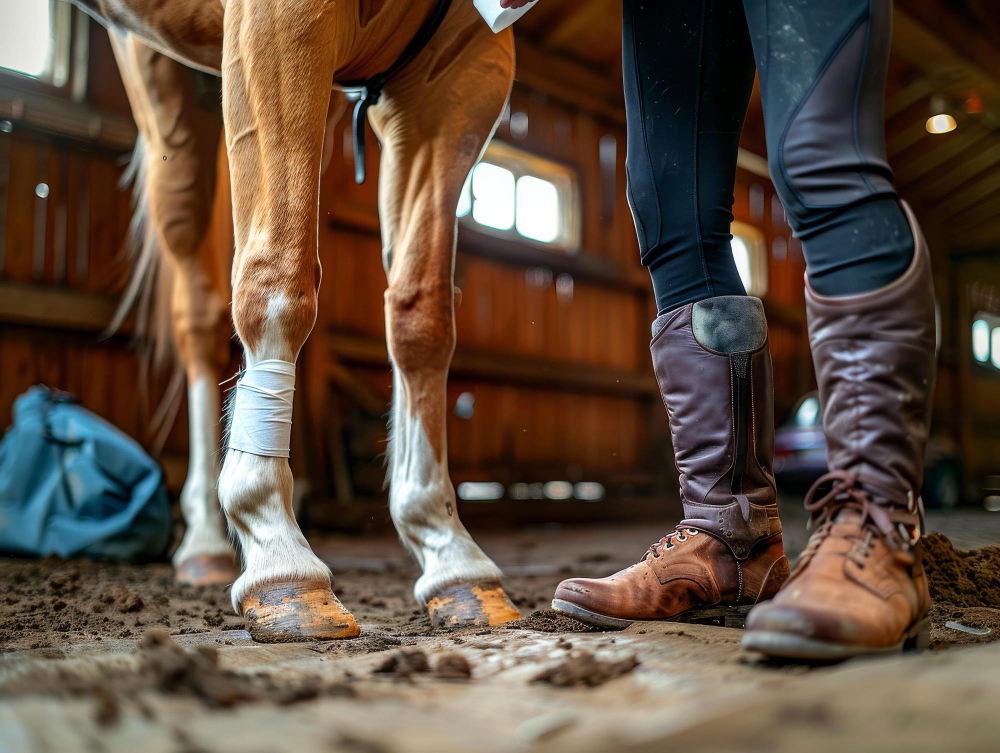
Move Boot Hoof Protection aids equine recovery by shielding sensitive hooves from dirt, moisture, and rocks. This durable barrier keeps poultices clean while cushioning sore soles during healing.
Equine hoof injuries require immediate protection from harsh barn and pasture environments. Mud, manure, and sharp gravel quickly contaminate open abscesses or cracked hoof walls. Without proper coverage, simple bruises can escalate into stubborn, painful bacterial infections. Move Boot Hoof Protection offers a reliable, reusable shield that simplifies daily hoof care.
Clinical Challenges of Managing Equine Hoof Injuries
Traditional duct-tape bandages rarely survive more than a few hours in wet paddocks. Horses tear through thin wraps quickly, exposing medicated pads to contaminated ground surfaces. Constant re-bandaging wastes expensive veterinary supplies and frustrates busy stable staff.
Moisture balance plays a decisive role in how rapidly hoof tissues regenerate. Excessive mud softens the sole and weakens horn tubules against everyday concussion. On the other hand, dry gravel bruises thin soles and widens existing quarter cracks.
- Subsolar abscesses demand clean, dry drainage channels to prevent recurring bacterial flare-ups.
- Lost shoes leave bare hoof walls vulnerable to chipping before the farrier arrives.
- Laminitic hooves benefit from added sole cushioning that reduces mechanical tearing forces.
- Thrush and white line disease heal faster when clean topical treatments stay firmly in place.
Structural Design and Shock Absorption Benefits
A well-engineered hoof boot conforms securely around the hoof capsule without pinching soft bulbs. Flexible upper cuffs allow natural pastern movement while blocking bedding and grit entry. Meanwhile, thick treaded soles absorb concussive shock on hard barn aisles.
Ergonomic fastening systems keep the boot stable during turnout or hand-walking sessions. Unlike rigid metal shoes, protective boots distribute weight evenly across the frog and sole. This gentle support encourages blood circulation, which accelerates healthy horn growth.
Using Move Boot Hoof Protection also saves time during daily soaking or dressing changes. Caretakers simply unfasten the straps, inspect the sole, and reapply fresh medication. Stress drops for both the horse and the handler during lengthy rehabilitation schedules.
Proper Sizing and Daily Fitting Best Practices
Selecting the correct boot size prevents rubbing around the coronary band and heel bulbs. Owners should measure hoof width and length immediately after a fresh farrier trim. An overly tight boot restricts circulation, while a loose fit twists during movement.
Clean skin surfaces prevent friction sores under the boot’s upper collar. Always brush away dried mud and inspect the pastern before securing the straps. Removing the boot daily allows air circulation and lets caretakers check for warmth.
- Measure the widest part of the solar surface and length from toe to heel.
- Brush away grit and dry the pastern thoroughly before sliding the boot on.
- Check heel bulbs daily for early signs of chafing or excess moisture buildup.
- Rinse the interior sole with mild soap and water between medicated dressing changes.
Integrating Move Boot Hoof Protection Into Stable First-Aid Kits
Every boarding barn, breeding farm, and riding school should keep spare hoof boots ready. Emergencies like thrown shoes or sudden lameness frequently happen on weekends or during travel. Having Move Boot Hoof Protection on hand provides immediate comfort until professional help arrives.
Durable construction ensures the boot withstands repeated washing and rugged outdoor terrain. Visit https://movetco.com/product/546-move-boot/ to check sizing charts and technical specifications today. Smart hoof protection turns stressful medical setbacks into smooth, predictable recoveries.
Sources and References
Guidance from the American Association of Equine Practitioners (AAEP) outlines best practices for managing hoof abscesses. Research published in the Equine Veterinary Journal examines sole pressure distribution and shock absorption in protective boots. Textbooks such as Adams and Stashak’s Lameness in Horses further detail therapeutic hoof protection strategies.
Article 2
Keyphrase: Equine Therapeutic Hoof Boots
Meta Description: Discover how Equine Therapeutic Hoof Boots relieve soreness and protect barefoot horses daily.
Why Should Horse Owners Use Equine Therapeutic Hoof Boots for Sore Feet?
Horse owners should use Equine Therapeutic Hoof Boots to cushion tender soles and speed healing. These boots absorb concussive impact while keeping therapeutic pads and medications completely clean.
Modern horse management increasingly favors non-invasive, adaptable solutions for hoof sensitivity. Whether transitioning a horse out of metal shoes or treating bruising, sole support matters. Hard rocky trails and frozen winter ground easily overwhelm thin or compromised hoof walls. Equine Therapeutic Hoof Boots bridge the gap between bare feet and full protection.
Supporting Horses Transitioning From Shoes to Barefoot
Removing iron shoes temporarily exposes sole tissues that have relied on elevated support. During the first few weeks, horses often walk cautiously across gravel or uneven footing. Protective boots let horses move comfortably while their soles naturally thicken and callous.
Stimulated frog engagement occurs naturally inside a properly fitted therapeutic boot. As the horse bears weight, gentle pressure pumps blood upward through the digital cushion. Improved circulation strengthens internal hoof structures and promotes resilient, dense horn growth.
- Transition soreness diminishes rapidly when boots cushion sensitive soles on rocky ground.
- Custom foam inserts can be added inside boots for extra palmar angle support.
- Natural hoof expansion remains unrestricted compared to rigid nailed-on metal horseshoes.
- Trail riding confidence returns quickly when horses no longer flinch over sharp stones.
Managing Chronic Laminitis and Thin Soles
Horses recovering from laminitis require strict protection against solar pressure and rotational stress. Traditional nailing causes painful vibrations that worsen inflammation inside delicate laminar tissues. Equine Therapeutic Hoof Boots eliminate nailing trauma while cradling the entire solar surface.
Shock-absorbing treads dampen ground reaction forces with every step the horse takes. Veterinarians frequently pair therapeutic boots with wedged pads to ease deep digital flexor tension. Horses stand more comfortably, lie down less, and maintain healthier appetites during recovery.
Trail Riding and Emergency Spare Tire Applications
Even well-shod horses occasionally pull a shoe miles away from the trailer. Continuing a ride barefoot over rough terrain risks severe hoof wall splitting. Carrying a lightweight boot in a saddlebag offers an instant, reliable trailside fix.
All-terrain traction helps horses navigate slick rocks, wet grass, and muddy stream crossings safely. Tread patterns grip uneven surfaces without packing heavy mud inside the solar cavity. Riders gain peace of mind knowing unexpected shoe loss will not ruin a trip.
- Pack a matching boot size inside trailer tack rooms and trail saddlebags.
- Pair boots with thin hoof socks when riding through deep, abrasive sand.
- Inspect tread wear regularly to maintain dependable grip on steep trails.
- Allow boots to air dry completely after wet rides to extend material lifespan.
Choosing Move Boot for Dependable Hoof Care
Investing in durable, well-fitted footwear protects your horse’s long-term soundness and athletic comfort. Move Boot delivers practical Equine Therapeutic Hoof Boots built for demanding clinical and barn environments. Easy fastening and rugged soles simplify daily care for busy horse owners.
Explore full product features and sizing guidance at https://movetco.com/product/546-move-boot/ before your next farrier visit. Reliable hoof protection keeps horses comfortable, active, and ready for every season.
Sources and References
Studies in Journal of Equine Veterinary Science evaluate hoof boot shock attenuation on hard surfaces. Recommendations from University of Minnesota Extension explain barefoot transition care and sole bruising prevention. Publications in Equine Veterinary Education further discuss mechanical support options for chronic laminitis patients.
Article 3
Keyphrase: Hoof Abscess Boot Care
Meta Description: Master Hoof Abscess Boot Care to keep poultices clean and speed equine healing.
How Does Proper Hoof Abscess Boot Care Speed Up Equine Recovery?
Proper Hoof Abscess Boot Care speeds recovery by keeping draining tracts clean and protected. Sealing out manure and mud prevents secondary infections while holding soothing poultices firmly.
Subsolar abscesses rank among the most common causes of sudden, severe lameness in horses. Bacteria enter through tiny white line fissures and build painful pressure beneath the sole. Once the abscess drains, keeping that open tract spotless becomes critical for fast healing. Effective Hoof Abscess Boot Care replaces messy, fragile tape wraps with dependable daily protection.
Step-by-Step Routine for Poulticing Inside a Boot
Combining warm antiseptic soaks with clean boot protection creates an ideal healing environment. Start by soaking the affected hoof in warm Epsom salt water for fifteen minutes. Gentle warmth softens hard horn and encourages any remaining exudate to drain completely.
Clean dressing placement ensures active drawing agents stay directly over the drainage tract. After drying the hoof thoroughly, apply a medicated poultice pad across the sole. Slide the protective boot over the hoof and fasten the straps securely.
- Soak the hoof in warm water and Epsom salts to promote thorough drainage.
- Pat the sole and pastern completely dry with a clean, disposable towel.
- Place a breathable poultice pad directly over the softened abscess opening.
- Secure the protective boot snugly so the pad cannot shift during turnout.
Preventing Re-Infection During Turnout
Stall rest alone often stiffens legs and slows lower-limb blood circulation in recovering horses. Controlled turnout in a small paddock keeps circulation active and lifts the horse’s spirits. However, unprotected hooves quickly pack with dirt the moment a horse steps outside.
Water-resistant barriers keep external moisture and bacteria away from vulnerable solar tissues. During Hoof Abscess Boot Care, caretakers can turn horses out safely without ruining bandages. The boot absorbs ground impact while preventing sharp pebbles from lodging inside the abscess cavity.
Transitioning Back to Normal Work Safely
Once drainage stops and digital pulses return to normal, the sole begins hardening. Continuing boot protection for several extra days shields fresh, tender horn from sudden bruising. Gradually reduce boot wear time as the horse walks comfortably on firm ground.
Farrier follow-up helps address any structural wall defects left behind by the abscess. A skilled farrier can trim away loose horn flaps that might trap future dirt. Healthy hoof growth soon restores full strength and normal athletic performance.
- Change poultice pads inside the boot every twenty-four hours until drainage stops.
- Monitor digital pulse intensity daily to confirm inflammation is steadily subsiding.
- Keep using the boot during turnout until new horn covers the sensitive sole.
- Schedule a farrier check to balance the hoof once acute soreness resolves.
Simplifying Recovery With Move Boot
Managing hoof emergencies becomes far easier when you have the right equipment ready. Move Boot streamlines Hoof Abscess Boot Care with rugged protection and effortless daily application. Horses stay comfortable, dry, and protected throughout every stage of the healing process.
Visit https://movetco.com/product/546-move-boot/ to learn more about adding this essential boot to your barn. Prepared caretakers and reliable hoof protection help horses bounce back stronger than ever.
Sources and References
Guidelines from UC Davis Center for Equine Health detail hygienic management of equine subsolar abscesses. Articles in The Veterinary Journal review bacterial entry pathways and sole healing timelines in horses. Practical manuals from British Equine Veterinary Association (BEVA) further highlight protective boot protocols during convalescence.