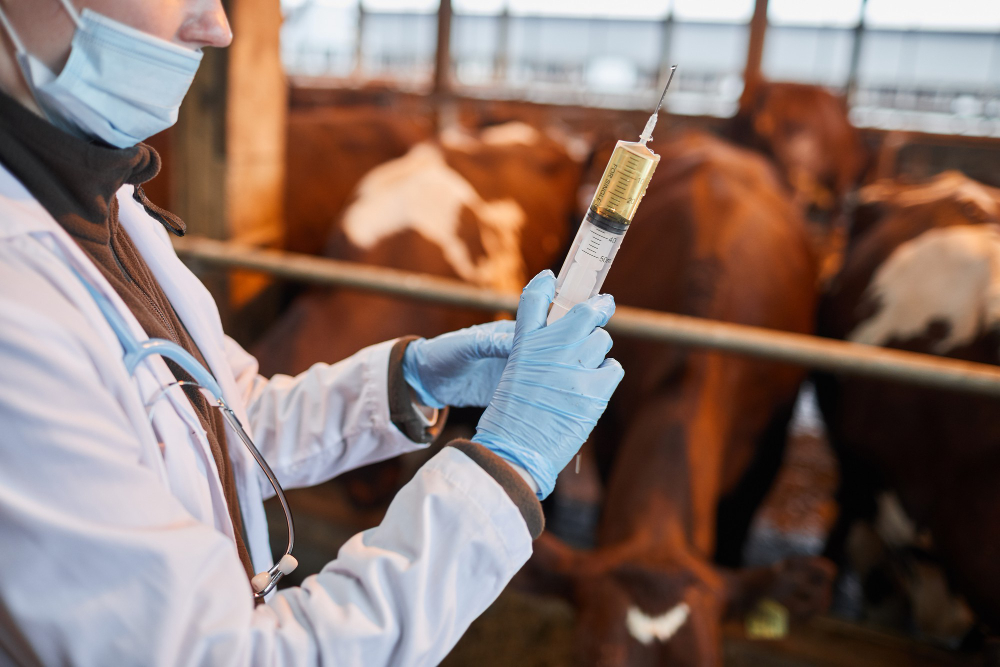
Move Paraffine Oil Equine relieves digestive impactions by lubricating hardened fecal masses along the intestinal tract. Because the mineral oil is non-absorbable, it coats dry ingesta and eases smooth passage.
Impaction colic ranks among the most frequent gastrointestinal emergencies in equine veterinary practice. Dehydration, coarse winter forage, and reduced physical activity often slow colonic motility dramatically. When dry feed accumulates inside the pelvic flexure, normal peristalsis struggles to move ingesta forward. Move Paraffine Oil Equine provides a mechanical, non-irritating lubricant that restores transit without triggering painful bowel spasms.
Mechanism of Action Inside the Equine Colon
Unlike osmotic laxatives, liquid paraffin does not draw large fluid volumes from vascular tissues. Instead, it remains chemically inert throughout its entire journey from stomach to rectum. This physical stability prevents severe electrolyte imbalances in already compromised, dehydrated horses.
Hydrophobic lubrication allows the oil to penetrate between dry feed particles and mucosal walls. As it coats the outer surface of an impaction, friction drops sharply. Smooth intestinal contractions can then propel the softened mass toward normal evacuation.
- Zero systemic absorption ensures the oil stays inside the gut lumen until full excretion.
- Mucosal protection shields irritated intestinal linings against mechanical abrasion from coarse fiber.
- Non-fermentable structure prevents gas buildup, bloating, or painful fermentation spikes inside the cecum.
- Visual transit tracking appears on the perineum, confirming complete gastrointestinal patency to clinicians.
Clinical Indications for Mineral Oil Administration
Veterinarians frequently select liquid paraffin as a first-line therapy for mild to moderate impactions. It also plays a critical role following accidental ingestion of toxic plants or grain overload. Coating the intestinal mucosa slows toxin absorption while accelerating physical clearance from the gut.
Pelvic flexure impactions respond particularly well to combined oral hydration and mineral oil therapy. Water softens the core of the fecal ball, while oil lubricates the outer perimeter. Together, these actions resolve stubborn blockages before surgical intervention becomes necessary.
- Mild large-colon impactions triggered by sudden dietary shifts or poor dental mastication.
- Post-operative gastrointestinal management requiring gentle, non-irritating stool softening during recovery.
- Supportive clearance following suspected ingestion of moldy forage or irritating weeds.
- Diagnostic transit assessment when veterinarians evaluate partial versus complete intestinal obstructions.
Safe Administration Protocols and Veterinary Supervision
Administering liquid paraffin requires strict clinical precision to protect equine respiratory health. Because mineral oil is tasteless and odorless, horses do not trigger a strong cough reflex. Accidental aspiration into the trachea causes severe, often fatal lipoid pneumonia.
Nasogastric intubation by a licensed veterinarian remains the safest and most reliable delivery route. Clinicians verify tube placement inside the stomach before pumping calculated volumes of oil. Owners should never force liquid paraffin orally using drenching syringes without professional guidance.
- Always rely on veterinary nasogastric tubing to prevent dangerous tracheal aspiration.
- Monitor manure output and perineal oil staining over the following twenty-four hours.
- Provide continuous access to fresh, clean water once acute colic pain subsides.
- Avoid prolonged daily administration, which can interfere with fat-soluble vitamin absorption.
Integrating Move Paraffine Oil Equine Into Veterinary Care
Stocking high-purity lubricants prepares equine clinics and breeding farms for sudden digestive emergencies. Move Paraffine Oil Equine meets strict pharmaceutical purity standards, ensuring freedom from irritating aromatic hydrocarbons. Reliable viscosity allows smooth passage through standard nasogastric tubes during urgent colic treatments.
Prompt intervention protects equine welfare and reduces the risk of complicated bowel displacements. Review full technical specifications and clinical packaging details at https://movetco.com/product/550-move-paraffine-oil/ for your veterinary pharmacy. Prepared barns and skilled clinicians work together to resolve impactions swiftly and safely.
Sources and References
Guidance from the American Association of Equine Practitioners (AAEP) outlines safe nasogastric administration protocols for mineral oil. Research published in the Equine Veterinary Journal examines medical management strategies for large-colon impactions. Textbooks such as Equine Internal Medicine further detail the pharmacokinetics and safety profile of liquid paraffin.
Article 2
Keyphrase: Veterinary Liquid Paraffin Uses
Meta Description: Explore essential Veterinary Liquid Paraffin Uses for safe digestive lubrication across livestock species.
What Are the Primary Veterinary Liquid Paraffin Uses in Large Animal Practice?
Primary Veterinary Liquid Paraffin Uses include treating fecal impactions, lubricating obstetrical procedures, and managing mild constipation. Its inert, non-absorbable nature makes it a versatile, gentle tool across equine and ruminant medicine.
Large animal veterinarians encounter diverse mechanical blockages across horses, cattle, sheep, and goats. Dry seasonal pastures, sudden concentrate feeding, and post-partum sluggishness frequently disrupt normal digestive flow. Selecting a safe mechanical lubricant avoids harsh chemical stimulation of sensitive intestinal walls. Understanding Veterinary Liquid Paraffin Uses helps clinicians and farm managers handle digestive slowdowns effectively.
Gastrointestinal Lubrication in Ruminants and Equines
In ruminants, abomasal or intestinal impactions occasionally follow heavy consumption of dry, low-quality roughage. Liquid paraffin coats compacted digesta and helps restore smooth passage through complex stomach compartments. Unlike harsh purgatives, it does not strip protective mucus from delicate gut linings.
Mechanical softening works gradually without causing sudden fluid shifts or severe diarrhea. Animals remain comfortable while natural peristaltic waves move lubricated contents forward. Furthermore, observing oil droplets in feces confirms that physical patency has returned.
- Equine colonic impaction therapy relies on liquid paraffin to reduce mucosal friction safely.
- Ruminant digestive sluggishness benefits from gentle lubrication during dry winter feeding periods.
- Toxin ingestion protocols utilize mineral oil to coat mucosa and speed fecal elimination.
- Hairball or foreign material passage in calves and small ruminants improves with mild lubrication.
Obstetrical and Topical Clinical Applications
Beyond internal medicine, Veterinary Liquid Paraffin Uses extend into routine obstetrical and reproductive care. Assisting difficult deliveries in cattle and mares requires generous lubrication to protect birth canals. Pure liquid paraffin reduces tissue friction and prevents mucosal tears during fetal extraction.
Sterile barrier protection also makes medical-grade paraffin useful on chapped skin or minor abrasions. It forms an occlusive layer that locks in moisture and shields tissues from dirt. Veterinarians also use it to lubricate rectal sleeves and diagnostic instruments before examinations.
- Protects delicate vaginal and uterine tissues during assisted calving or foaling procedures.
- Lubricates thermometers, speculums, and examination gloves to minimize patient discomfort.
- Softens dry crusts around wounds or pasterns without stinging sensitive skin.
- Maintains instrument smoothness during routine herd health and fertility checks.
Purity Standards and Storage Best Practices
Not all mineral oils meet the rigorous safety requirements of modern veterinary medicine. Industrial-grade oils contain polycyclic aromatic hydrocarbons that irritate tissues and cause systemic toxicity. Clinicians must select purified, pharmaceutical-grade formulations refined specifically for animal health applications.
Proper container storage preserves oil clarity and prevents microbial or dust contamination in busy barns. Keeping bottles tightly sealed away from direct sunlight maintains consistent viscosity year-round. Clean dispensing equipment ensures every clinical dose remains completely uncontaminated.
- Verify pharmaceutical purity to ensure zero irritating sulfur or aromatic compounds.
- Store drums and bottles in cool, dry dispensary rooms away from agricultural chemicals.
- Use dedicated, clean funnels and pumps when transferring oil into clinical containers.
- Check expiration dates and visual clarity prior to internal veterinary administration.
Choosing Move Paraffine Oil for Clinical Reliability
Dependable veterinary outcomes depend on pure, predictable pharmaceuticals during urgent farm calls. Move Paraffine Oil delivers consistent pharmaceutical quality tailored for demanding large animal practices. Its clean viscosity profile supports effortless administration across both digestive and obstetrical procedures.
Equipping your clinic or livestock operation with trusted lubricants ensures readiness when emergencies strike. Visit https://movetco.com/product/550-move-paraffine-oil/ to review product details and ordering options today. High-purity liquid paraffin remains a cornerstone of safe, effective animal care.
Sources and References
Manuals from the Merck Veterinary Manual detail clinical indications and dosing guidelines for mineral oil across species. Publications in Veterinary Clinics of North America: Equine Practice review medical therapies for intestinal obstruction. Guidance from the British Veterinary Association also highlights pharmaceutical purity standards for veterinary lubricants.
Article 3
Keyphrase: Mineral Oil Equine Impaction
Meta Description: Manage Mineral Oil Equine Impaction protocols safely with proper hydration and veterinary guidance.
How Should Veterinarians Approach Mineral Oil Equine Impaction Treatment?
Veterinarians approach Mineral Oil Equine Impaction treatment by combining nasogastric lubrication with aggressive systemic hydration. Oil coats the dry fecal mass externally while fluids soften internal contents.
Large-colon impactions develop gradually when coarse ingesta loses moisture inside the equine hindgut. Horses transitioning from lush pasture to dry hay face particularly high impaction risks. Cold weather often compounds the problem by reducing voluntary water consumption across the barn. Integrating Mineral Oil Equine Impaction protocols restores gut motility while minimizing patient discomfort.
Combining Lubrication With Enteral and Intravenous Fluids
Mineral oil alone cannot rehydrate a rock-hard fecal mass inside the pelvic flexure. If administered without adequate water, oil may simply slide around a dense blockage. Pairing liquid paraffin with balanced electrolyte solutions produces far superior clinical resolution rates.
Enteral fluid therapy delivers water and electrolytes directly onto the impacted feed mass. Alternating balanced water doses with mineral oil softens the core while lubricating the edges. In severe cases, intravenous fluids simultaneously restore blood volume and improve intestinal perfusion.
- Nasogastric water dosing hydrates dry fiber and stimulates gentle gastrocolic reflexes.
- Liquid paraffin coating lowers surface tension between hardened feces and bowel walls.
- Analgesic support relaxes painful intestinal spasms so normal peristalsis can resume.
- Walking exercise encourages mechanical movement and gas passage during medical therapy.
Monitoring Progress and Recognizing Red Flags
Close clinical monitoring determines whether medical Mineral Oil Equine Impaction therapy is succeeding. Veterinarians track heart rate, mucous membrane color, gut sounds, and manure production closely. Oil typically appears at the anus twelve to twenty-four hours after stomach administration.
Persistent abdominal pain despite analgesia signals potential bowel displacement or strangulation. Rising heart rates or absent gut sounds require immediate re-evaluation and possible hospital referral. Early recognition of surgical candidates saves lives and prevents intestinal rupture.
- Check rectal temperature, pulse, and capillary refill time every two to four hours.
- Inspect bedding and tail hairs for oily residue indicating successful gut transit.
- Withhold solid grain and hay until the impaction passes and gut sounds normalize.
- Reintroduce soaked forage gradually once normal manure piles return consistently.
Preventing Future Impactions Through Barn Management
Once a horse recovers from an impaction, preventive husbandry becomes the top priority. Regular dental floating ensures horses grind long hay stems into small, digestible particles. Older horses with worn molars often benefit from soaked hay cubes or complete pelleted feeds.
Consistent water temperature encourages steady drinking during freezing winter months. Heated water buckets prevent ice formation and keep daily fluid intake optimal. Adding plain white salt to daily rations also stimulates natural thirst mechanisms.
- Schedule annual or biannual equine dental exams to maintain proper chewing surfaces.
- Provide lukewarm water during winter cold snaps to boost voluntary drinking.
- Transition between hay batches slowly over seven to ten days.
- Ensure daily turnout or light exercise to support natural intestinal motility.
Supporting Recovery With Move Paraffine Oil
Reliable clinical tools help veterinarians and horse owners manage digestive emergencies with confidence. Move Paraffine Oil provides pure, medical-grade lubrication essential for effective Mineral Oil Equine Impaction care. Its clean formulation supports smooth nasogastric delivery and predictable gastrointestinal transit.
Explore full product specifications at https://movetco.com/product/550-move-paraffine-oil/ to keep your equine first-aid stock complete. Thoughtful management and trusted clinical products protect horses from painful digestive setbacks.
Sources and References
Research in the Journal of Veterinary Internal Medicine evaluates enteral fluid and mineral oil efficacy in equine impactions. Recommendations from UC Davis Center for Equine Health outline winter hydration and colic prevention strategies. Studies in Equine Veterinary Education further examine clinical monitoring protocols during medical colic management.