Move Ketosis Dairy Care supports transition dairy cows by aiding energy metabolism around calving. Steady metabolic backing helps cows handle negative energy balance and keep appetite moving.
Calving and early lactation push dairy cows into sharp metabolic shifts overnight. Milk production rises faster than feed intake can expand in many fresh cows. Body fat mobilizes quickly when energy demands outpace what rations supply. Move Ketosis Dairy Care gives dairy managers practical nutritional backing during this critical window.
Why Negative Energy Balance Challenges Fresh Cows
Around calving, cows shift large amounts of glucose and fatty acids toward milk synthesis. Feed intake often dips right before calving, yet energy needs climb steeply afterward. That gap creates a negative energy balance across early lactation weeks.
Excessive fat mobilization can overwhelm liver processing when energy shortfalls run deep. Ketone bodies like beta-hydroxybutyrate rise as body reserves break down rapidly. Supporting metabolic balance helps cows transition more smoothly into steady milk production.
- Energy shortfall happens when fresh cows cannot eat enough to match milk demand.
- Fat mobilization draws on body reserves, which stresses liver metabolism when heavy.
- Ketone buildup signals deeper energy strain during early lactation transition weeks.
- Appetite protection helps cows keep eating well so intake rebounds faster.
High-Risk Windows Around Calving and Early Lactation
The three weeks before calving and three weeks after are most demanding. Over-conditioned cows, twin pregnancies, and heat stress can add extra risk. Crowded pens or poor bunk space also limit how much fresh cows eat.
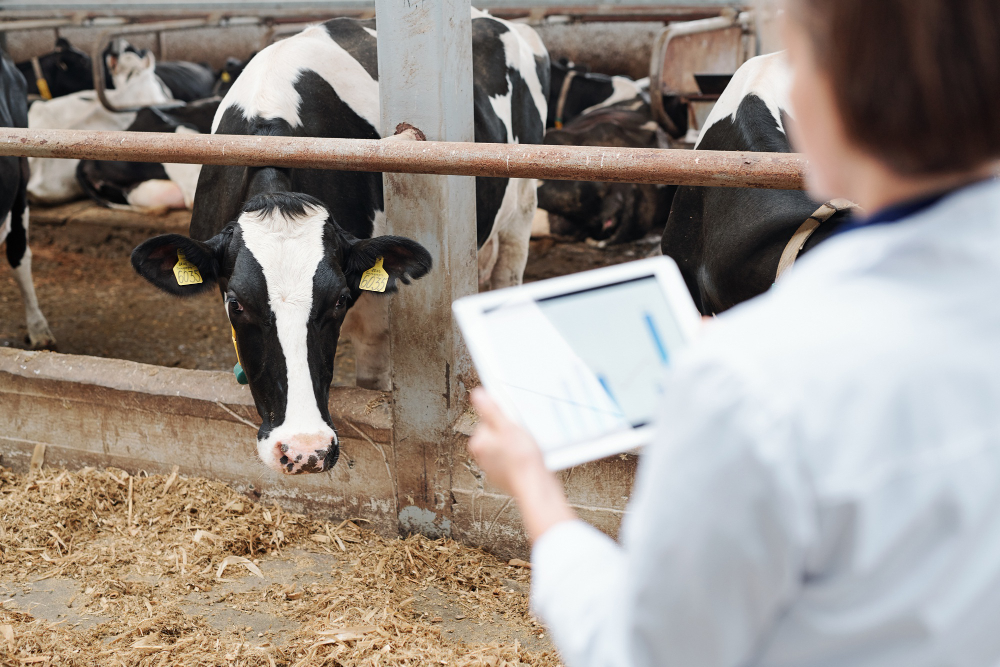
Early detection helps herds catch metabolic dips before milk yield or health slips. Watch feed bunk visits, body condition, rumination, and fresh cow alertness daily. Quick action keeps minor transition hiccups from becoming costly herd setbacks.
- Late dry period through the first three to four weeks after calving.
- Over-conditioned cows or herds facing warm weather and crowding stress.
- Groups with tight feed bunk space, wet bedding, or social competition.
- Cows showing lowered appetite, sluggishness, or abrupt dips in milk yield.
Practical Transition and Barn Management Habits
Nutritional care works best alongside comfortable housing, clean water, and calm routines. Keep fresh cow pens uncrowded with plenty of bunk space and clean water. Provide palatable, well-mixed rations that encourage steady eating day and night.
Accurate measuring keeps daily supplementation consistent and aligned with label rules. Follow species and stage directions carefully without guessing serving sizes. Clear herd logs help teams review fresh cow progress across every season.
- Keep fresh cow pens comfortable, dry, and stocked with ample bunk space.
- Provide clean, fresh water continuously and monitor daily feed intake closely.
- Follow label dosing instructions carefully based on cow weight and stage.
- Consult your herd veterinarian whenever ketosis signs, fever, or off-feed behavior appears.
Connecting Transition Care to Move Ketosis Dairy Care
Dairy producers need reliable tools when fresh cows face heavy metabolic pressure. Move Ketosis Dairy Care fits smoothly into transition feeding and management routines. Consistent use pairs well with clean housing, good rations, and veterinary oversight.
Review full product specifications and usage guidance at https://movetco.com/product/move-ketosis/ today. Sound transition habits and smart nutrition support healthier, more productive dairy herds.
Sources and References
Guidance from the National Research Council (NRC) covers dairy transition nutrition and energy metabolism. Research in Journal of Dairy Science examines ketosis, negative energy balance, and fresh cow care. Clinical reviews in the Merck Veterinary Manual detail ketosis management and dairy herd health.
Article 2
Keyphrase: Dairy Ketosis Energy Support
Meta Description: Help fresh cows maintain steady energy with Dairy Ketosis Energy Support care.
Why Should Dairy Farms Use Dairy Ketosis Energy Support After Calving?
Dairy farms use Dairy Ketosis Energy Support after calving to aid energy balance. Steady metabolic support helps fresh cows sustain feed intake and adapt to lactation.
Early lactation places intense metabolic demands on every high-producing dairy cow. Milk synthesis draws glucose and nutrients rapidly while appetite builds back gradually. Without steady support, energy shortfalls can slow recovery and trim peak yield. Dairy Ketosis Energy Support offers practical backing alongside sound transition care.
How Energy Balance Shapes Fresh Cow Recovery
Fresh cows need smooth metabolic transitions to reach strong, sustainable peak milk. Rumen function, liver processing, and feed intake all connect closely after calving. Keeping intake steady helps lower excess reliance on rapid body fat breakdown.
Cow comfort directly shapes how often fresh cows stand, eat, and rest. Deep, dry bedding and calm movement help cows conserve energy for feeding. Good barn basics make nutritional programs work far more effectively across the herd.
- Feed intake drives energy supply as milk production climbs after calving.
- Liver workload stays steadier when fat breakdown stays within manageable limits.
- Resting comfort supports rumination and recovery in clean, well-bedded stalls.
- Herd vigilance helps spot subtle appetite drops before clinical ketosis develops.
Pairing Metabolic Care With Clean Barn Routines
No supplement replaces clean water, fresh rations, or uncrowded fresh cow housing. Push feed up often so cows always reach fresh, palatable mix easily. Check water troughs daily for cleanliness and rapid refill flow.
Gradual ration shifts protect rumen microbes as cows move onto higher-energy diets. Avoid sudden group moves or harsh handling during the fresh cow period. Partner with your veterinarian to keep herd monitoring practical and timely.
- Push rations up frequently and keep fresh cow bunks clean and accessible.
- Maintain dry bedding, good ventilation, and comfortable stocking density in fresh pens.
- Avoid abrupt ration changes or unnecessary handling stress around calving.
- Consult your veterinarian promptly if appetite drops, ketones rise, or illness appears.
Safe Storage and Handling Practices
Proper storage keeps metabolic supplements fresh, clean, and easy to measure accurately. Heat, moisture, and direct sunlight can degrade quality inside open containers. Always store packages tightly sealed in cool, dry farm storage rooms.
Clean measuring prevents waste and dosing errors during busy morning feeding hours. Use a dedicated measuring tool and close lids right after each serving. Check labels and expiration dates regularly before opening new stock.
- Store containers in cool, dry, shaded rooms away from dampness.
- Close lids or seals tightly right after measuring each daily serving.
- Measure carefully using clean tools and follow label directions strictly.
- Keep clear herd logs of dosing dates, cow IDs, and fresh cow notes.
Choosing Move Ketosis for Fresh Cow Care
Reliable nutritional backing helps fresh cows stay steady through early lactation. Move Ketosis delivers practical Dairy Ketosis Energy Support for daily herd care. Thoughtful use pairs naturally with clean housing and attentive farm management.
Visit https://movetco.com/product/move-ketosis/ to check product details and usage guidance today. Sound transition habits and smart nutrition help dairy cows thrive after calving.
Sources and References
Studies in Journal of Dairy Science examine fresh cow energy balance and metabolic health. Recommendations from University of Minnesota Extension cover dairy transition management and ketosis prevention. Publications in Animals review dairy cow welfare, metabolism, and transition care.
Article 3
Keyphrase: Fresh Cow Energy Balance
Meta Description: Support post-calving vigor and appetite with smart Fresh Cow Energy Balance care.
How Can Fresh Cow Energy Balance Habits Protect Dairy Herd Health?
Fresh Cow Energy Balance habits protect health by supporting steady intake and metabolism. Consistent transition care helps cows handle early lactation demands with fewer setbacks.
Calving marks a major turning point in every dairy cow’s year. Energy needs jump fast while rumen capacity and appetite catch up slowly. Focusing on Fresh Cow Energy Balance keeps herds steadier across busy seasons.
Supporting Rumen Function and Appetite After Calving
A healthy rumen keeps fermentation smooth and feed intake moving upward. Sudden ration changes or poor palatability can slow eating right after calving. Consistent feed delivery and clean water help cows eat calmly and regularly.
Daily cow checks let teams spot small shifts in rumination or appetite early. Watch fresh cows closely for dull eyes, tucked flanks, or lower intake. Early veterinary care keeps minor metabolic issues from turning severe.
- Keep fresh cow rations palatable, consistent, and well-mixed every day.
- Provide clean water and ample bunk space so timid cows eat comfortably.
- Watch rumination, feed intake, and milk weights closely during early lactation.
- Contact a veterinarian promptly if severe lethargy, ketosis, or illness appears.
Building Clean Transition Routines
Good routines combine balanced transition rations, clean water, comfortable stalls, and calm handling. Avoid overcrowding fresh pens or moving cows unnecessarily during early lactation. Clean, dry bedding supports udder comfort, resting time, and steady recovery.
Team consistency makes daily transition care smoother across shifts and seasons. Follow label dosing rules carefully and record dates in herd logs. Good habits help cows build strong lactation momentum from day one.
- Maintain comfortable stalls, clean water, and calm routines in fresh cow pens.
- Schedule regular veterinary herd checks and metabolic monitoring as advised.
- Follow label serving directions carefully based on cow weight and stage.
- Seek veterinary advice promptly if appetite drops or unusual signs appear.
Safe Handling and Storage Reminders
Proper storage keeps nutritional supplements effective, clean, and easy to measure accurately. Keep containers tightly sealed in cool, dry areas away from sunlight. Avoid damp floors, pests, or strong chemical odors in storage spaces.
Accurate measuring prevents waste and keeps daily dosing simple and reliable. Use a clean scoop dedicated to the product and close lids right away. Simple logs make it easy to review fresh cow results over time.
- Store products in cool, dry, shaded rooms away from dampness.
- Seal containers tightly after each use to protect product stability.
- Measure serving sizes accurately based on label guidelines and cow weight.
- Keep clear logs of dosing dates, group notes, and fresh cow vigor.
Strengthening Care With Move Ketosis
Thoughtful Fresh Cow Energy Balance habits keep dairy herds resilient across seasons. Move Ketosis offers targeted metabolic support that fits smoothly into daily care. Reliable use alongside clean husbandry supports lasting vitality and herd performance.
Learn more at https://movetco.com/product/move-ketosis/ and review full product specifications today. Sound daily habits and smart nutrition help fresh cows thrive every day.