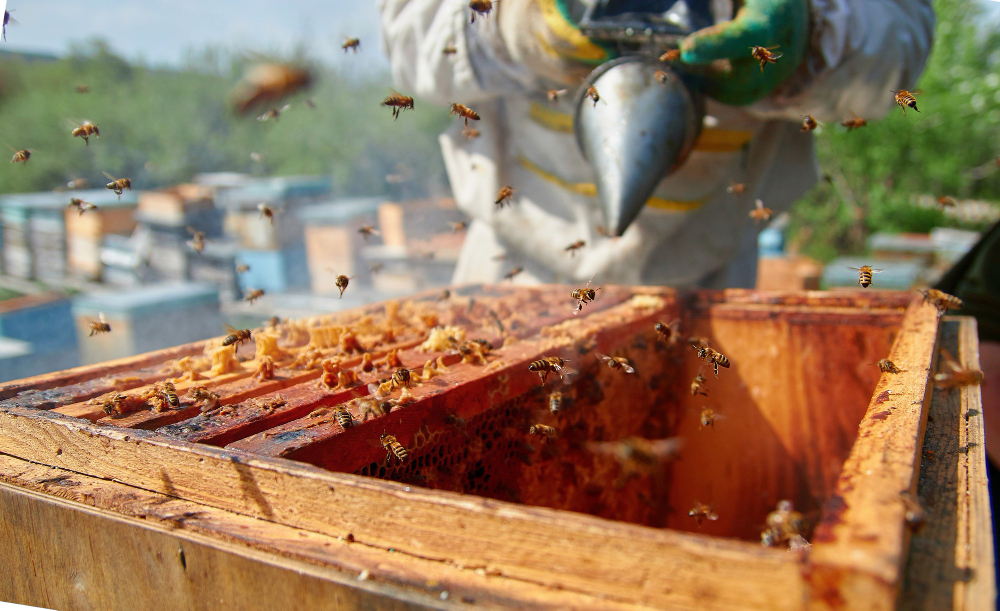
Mofed Bee Formic Acid helps control Varroa mites by releasing active acid vapors inside hives. Those vapors reach mites on bees and inside capped brood cells.
Varroa destructor weakens honeybee colonies across commercial and hobby apiaries worldwide. Mites feed on bees and developing brood, draining energy and spreading viruses. Left unchecked, infestations cause weak clusters, poor honey yields, and colony loss. Mofed Bee Formic Acid gives beekeepers a targeted organic option during active seasons.
Why Capped Brood Makes Mite Control Tricky
Many Varroa treatments act only on mites riding on adult bees. Once mites enter capped brood cells, wax cappings shield them from contact. Mite numbers can bounce back quickly after brood-only treatments end.
Formic acid vapor moves differently because vapors can penetrate porous wax cappings. Targeting mites inside brood cells helps slow rapid population growth mid-season. That broader reach makes timing and hive airflow especially important.
- Phoretic mites travel on adult bees and spread viruses across the hive.
- Reproductive mites hide inside capped brood cells to lay eggs on pupae.
- Wax cappings block many liquid or contact treatments from reaching developing mites.
- Brood cycles keep feeding new mites into the colony every day.
Weather, Ventilation, and Safe Application
Temperature strongly shapes how fast formic acid evaporates inside a hive. High heat speeds evaporation and can stress bees or queens. Cool weather slows vapor release and can lower mite knockdown rates.
Proper hive ventilation helps keep vapor levels steady and bees calm. Always follow label rules for outdoor temperatures, hive size, and dosing. Careful checks protect queens, brood, and adult foragers during treatment.
- Check outdoor temperatures before applying any formic acid treatment.
- Follow label rules for entrance size, ventilation, and hive box setup.
- Inspect colonies gently after treatment to watch cluster and brood health.
- Avoid treating weak or stressed colonies when heat spikes threaten bees.
Monitoring Mites and Timing Your Care
Testing hives before and after treatment removes guesswork from mite control. Sugar roll or alcohol wash tests show real mite pressure clearly. Regular counts help beekeepers treat when needed rather than guessing.
Integrated pest management pairs mite sampling with clean hive habits. Good queens, adequate stores, and sensible yard spacing support strong bees. Thoughtful timing keeps mite management aligned with seasonal colony needs.
- Sample bees regularly using sugar roll or alcohol wash checks.
- Log mite counts across yards to spot rising trends early.
- Remove honey supers before treating unless label rules allow flow use.
- Coordinate mite checks with seasonal brood and nectar cycles.
Connecting Apiary Care to Mofed Bee Formic Acid
Beekeepers need reliable tools to protect hives through active brood seasons. Mofed Bee Formic Acid supports organic mite control when used as directed. Pairing careful timing with regular testing keeps colonies stronger over time.
Review full product specifications and guidance at https://movetco.com/product/mofed-bee-formic-acid/ today. Attentive hive care and smart monitoring help apiaries stay productive.
Sources and References
Guidance from the Honey Bee Health Coalition outlines Varroa monitoring and integrated management steps. Research in Apidologie examines formic acid vapor dynamics and Varroa control in honeybees. Technical manuals from FAO Animal Production and Health cover bee health and sustainable apiculture.
Article 2
Keyphrase: Formic Acid Varroa Mites
Meta Description: Reduce Varroa mite pressure cleanly using a Formic Acid Varroa Mites plan.
Why Do Beekeepers Use Formic Acid Varroa Mites Treatments in Hives?
Beekeepers use Formic Acid Varroa Mites treatments to target mites inside capped brood. Organic acid action fits rotating pest plans without leaving synthetic wax residues.
Mite resistance remains a serious concern across modern beekeeping operations. Rotating treatments helps keep pest control working across multiple seasons. Many beekeepers include Formic Acid Varroa Mites options alongside monitoring and cultural care.
Preserving Treatment Options Across Seasons
Using the same chemical class repeatedly can select for resistant mites. When treatments lose effectiveness, mite counts climb fast and surprise keepers. Rotating modes of action helps protect long-term control in apiaries.
Cultural and mechanical steps support chemical or organic controls nicely. Screened bottom boards, drone brood removal, and good yard spacing help. Balanced planning keeps colonies healthier across changing weather and forage cycles.
- Rotate mite control modes across seasons to limit resistance risk.
- Test mite loads before and after treatment to measure real impact.
- Maintain strong colonies with healthy queens and steady food stores.
- Reduce drifting by spacing hives thoughtfully and marking entrances clearly.
Safe Handling and Storage Practices
Formic acid requires careful handling and proper protective equipment in yards. Liquid or vapors can irritate skin, eyes, and breathing passages. Always wear chemical-resistant gloves, eye protection, and proper ventilation gear.
Safe storage keeps containers sealed, upright, and away from everyday gear. Store products in a cool, well-ventilated shed away from children or pets. Check labels carefully before opening any bottle or container.
- Wear protective gloves and eye gear whenever handling formic acid.
- Work in ventilated spaces and avoid breathing concentrated fumes directly.
- Keep containers tightly sealed, upright, and away from heat or sun.
- Follow label instructions strictly for dosing, placement, and safety steps.
Supporting Colony Recovery After Treatment
Lowering mite pressure gives bees room to rebuild vigor and brood. Still, colonies need clean water, varied pollen, and adequate nectar or feed. Late summer and autumn require close checks on winter stores.
Colony strength shapes how smoothly a hive recovers from mite stress. Small or weak clusters struggle even after mite numbers drop. Strong bees maintain better brood nests and winter survival.
- Check honey and pollen stores after late-season mite treatments.
- Keep clean water sources close to apiaries throughout the year.
- Requeen failing hives early when brood patterns look weak or spotty.
- Open hives gently to avoid chilling brood or stressing bees.
Choosing Mofed Bee Formic Acid for Your Apiary
Dependable mite care helps protect honeybee health across demanding seasons. Mofed Bee Formic Acid supports a Formic Acid Varroa Mites approach for careful beekeepers. Steady use alongside regular mite checks helps colonies stay strong.
Visit https://movetco.com/product/mofed-bee-formic-acid/ to review product details and guidance today. Safe handling and smart timing protect hives through changing seasons.
Sources and References
Studies in Journal of Apicultural Research examine formic acid efficacy and safety in honeybee colonies. Recommendations from University of Minnesota Bee Lab cover Varroa sampling and integrated control. Publications in Insects review honeybee health, viruses, and mite management.
Article 3
Keyphrase: Organic Varroa Mite Control
Meta Description: Learn how Organic Varroa Mite Control protects colonies with clean methods.
How Does Organic Varroa Mite Control Support Healthy Honeybee Colonies?
Organic Varroa Mite Control supports healthy colonies by lowering mites without synthetic residues. Smart timing, regular testing, and clean hive habits keep bees resilient.
Honeybees face overlapping pressures from mites, viruses, poor forage, and weather. Keeping mite loads low gives colonies a stronger chance to thrive. Understanding Organic Varroa Mite Control helps beekeepers build sustainable yard routines.
Combining Monitoring With Clean Hive Habits
Regular mite testing shows whether colony stress is rising or staying low. Sugar roll and alcohol wash checks give clear, practical numbers. Tracking counts across yards helps beekeepers spot trouble before hives weaken.
Apiary hygiene also reduces disease and mite spread between neighboring hives. Seal dead-outs quickly so robbing bees do not pick up mites. Good records make seasonal decisions clearer and more reliable.
- Sample bees regularly using sugar roll or alcohol wash methods.
- Seal and remove dead or collapsed hives promptly to prevent robbing.
- Keep clean logs of sampling dates, mite counts, and treatments.
- Seek advice from experienced beekeepers or extension specialists when needed.
Matching Treatments to Hive Conditions
Colony size, brood levels, and outdoor weather shape how treatments perform. Strong hives with large brood nests behave differently than small clusters. Extreme heat or cold adds extra pressure during hive work.
Label adherence protects bees, queens, and honey quality every single time. Never guess doses or ignore temperature limits on product labels. Careful planning keeps hive work calm and predictable.
- Check brood nest size and colony strength before treating hives.
- Watch outdoor temperatures so bees do not overheat or chill.
- Follow all label rules on honey super removal and timing.
- Observe hive entrances calmly after treatment to check normal flight.
Protecting Honey Quality and Beekeeper Safety
Honey harvests require strict care around anything placed inside hives. Follow label rules closely so treated bees and harvested honey stay safe. Timing treatments outside honey flow windows protects purity and trust.
Safe execution means accurate measuring, clean gear, and steady observation. Store remaining product safely in labeled containers after work finishes. Sound habits protect both bees and beekeepers every season.
- Follow label rules regarding honey supers and seasonal timing.
- Measure carefully rather than guessing amounts in the bee yard.
- Keep protective gear clean and accessible during every yard visit.
- Store products securely in cool, ventilated spaces away from hazards.
Pairing Hive Care With Mofed Bee Formic Acid
Thoughtful Organic Varroa Mite Control helps keep apiaries steady and productive. Mofed Bee Formic Acid supports targeted mite care when used as directed. Consistent use alongside regular testing supports healthier colonies over time.
Learn more at https://movetco.com/product/mofed-bee-formic-acid/ and review full product details today. Careful planning and clean hive care protect honeybees through every season.
Sources and References
Guidance from FAO Animal Production and Health outlines organic mite control and bee health care. Research in Apidologie examines organic acid treatments and Varroa control in honeybees. Reviews in Bee World discuss practical Varroa control and colony resilience in apiculture.