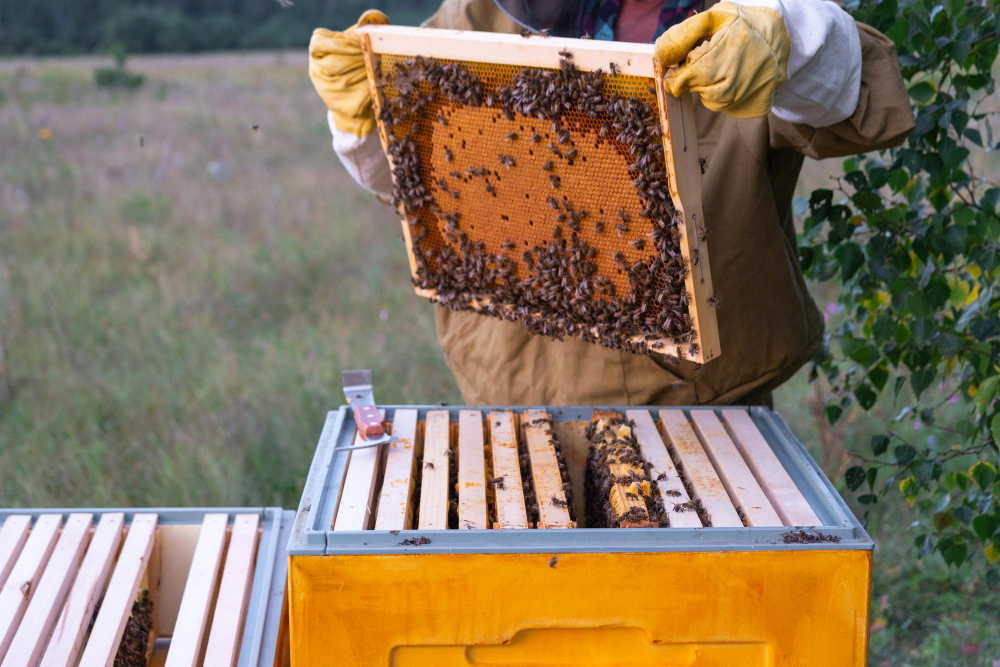
Varro Fighter Varroa Control protects colonies by using organic acids to suppress Varroa mites. Healthy bees survive longer when parasite pressure drops during key brood cycles.
Varroa destructor remains one of the biggest threats facing beekeeping today. Mites feed on adult bees and developing brood inside sealed cells. Weakened colonies lose vigor quickly and become vulnerable to secondary viruses. Varro Fighter Varroa Control offers beekeepers a targeted organic option for mite management.
How Varroa Mites Harm Honeybee Colonies
Mites attach to bees and drain vital bodily fluids and fat stores. Damaged bees emerge smaller, weaker, and less able to forage effectively. Over time, mite populations climb rapidly during warm brood-rearing seasons.
Virus transmission makes mite infestations even harder for colonies to survive. Deformed wing virus and other pathogens spread easily through mite feeding wounds. Untreated hives can collapse before winter or during late-summer nectar lulls.
- Brood parasitism weakens pupae inside capped cells before bees even emerge.
- Fat body depletion reduces bee immunity and lowers overwintering survival odds.
- Viral spread accelerates colony decline when mite counts rise unchecked.
- Re-infestation pressure grows when neighboring apiaries leave mites untreated.
Role of Oxalic and Formic Acids in Mite Management
Beekeepers use organic acids because they fit integrated pest management plans well. Oxalic acid and formic acid act through distinct modes of action. Together, these acids help reduce mite loads while respecting hive management goals.
Timing and hive conditions strongly affect how well organic acid treatments perform. Temperature, brood presence, and ventilation shape treatment safety and effectiveness. Following label directions keeps bees safe while lowering mite numbers.
- Organic acid action targets mites without leaving synthetic residues in wax.
- Brood window timing matters because sealed cells shield reproducing mites.
- Hive airflow helps dissipate vapors evenly without overheating the cluster.
- Integrated care pairs treatments with monitoring and smart apiary hygiene.
Monitoring Mite Levels and Timing Treatments
Guessing mite pressure rarely works well in busy commercial or hobby apiaries. Sugar roll or alcohol wash tests give clear counts before treatment starts. Checking colonies regularly helps beekeepers act before populations hit dangerous levels.
Seasonal planning keeps mite control aligned with honey flows and brood cycles. Never treat hives with honey supers on unless approved for that use. Careful timing protects both bee health and honey harvest quality.
- Sample bees periodically using standard sugar roll or alcohol wash checks.
- Track mite counts across yards rather than relying on one hive.
- Remove honey supers before applying treatments not approved for honey flow.
- Observe bee behavior and ventilation closely after any hive application.
Connecting Apiary Care to Varro Fighter Varroa Control
Beekeepers need reliable tools to keep colonies strong across changing seasons. Varro Fighter Varroa Control combines pure crystals of oxalic acid and formic acid. Consistent use supports healthier bees when paired with regular mite checks.
Review full product specifications and usage guidance at https://movetco.com/product/varro-fighter-pure-crystals-of-oxalic-acid-formic-acid/ today. Attentive hive monitoring and sound management help colonies stay productive.
Sources and References
Guidance from the Honey Bee Health Coalition outlines integrated Varroa management and monitoring steps. Research in Apidologie examines organic acid treatments and Varroa control in honeybees. Technical manuals from FAO Animal Production and Health cover bee health and sustainable apiculture.
Article 2
Keyphrase: Organic Acid Varroa Treatment
Meta Description: Reduce Varroa mite pressure cleanly with an Organic Acid Varroa Treatment plan.
Why Do Beekeepers Choose an Organic Acid Varroa Treatment for Hives?
Beekeepers choose an Organic Acid Varroa Treatment to lower mite counts without synthetic buildup. Organic acids fit rotating treatment plans and support long-term colony resilience.
Relying on one chemical class year after year can invite mite resistance. Rotating controls helps keep treatment options effective across multiple beekeeping seasons. Many apiaries include an Organic Acid Varroa Treatment alongside cultural and monitoring habits.
Avoiding Resistance Through Rotation
Repeated use of the same miticide can select for resistant mites. When treatments lose punch, mite numbers rebound fast and surprise beekeepers. Rotating modes of action helps preserve effectiveness across the apiary.
Integrated pest management combines cultural steps, monitoring, and targeted treatments. Drone brood removal, screened bottom boards, and good hive spacing support broader control. Smart rotation keeps every tool working better over time.
- Rotate treatment types across seasons to reduce mite resistance pressure.
- Monitor mite counts before and after every treatment round.
- Keep colonies strong with adequate stores and healthy queens.
- Coordinate management across nearby yards when drifting bees spread mites.
Handling Pure Acid Crystals Safely
Pure organic acid crystals require careful handling and proper protective gear. Acid dust or fumes can irritate eyes, skin, and respiratory tracts. Always wear gloves, eye protection, and suitable respiratory gear when handling crystals.
Safe storage keeps acid crystals dry, sealed, and away from everyday supplies. Moisture can cause caking or unwanted reactions inside open containers. Store products in a cool, ventilated shed locked away from children or pets.
- Wear chemical-resistant gloves and eye protection when handling acid crystals.
- Work in well-ventilated areas and avoid inhaling fine powder or vapors.
- Keep containers tightly sealed and stored away from moisture and heat.
- Follow label instructions strictly regarding mixing, dosing, and application.
Supporting Colony Recovery After Mite Control
Lowering mite numbers helps bees recover energy for foraging and brood care. Yet bees still need clean water, pollen diversity, and steady nectar or feed. Stressful seasons like late summer or autumn require extra attention to stores.
Colony strength shapes how quickly a hive bounces back from mite pressure. Weak, small clusters struggle even after mites are knocked down. Building strong bees early sets hives up for smoother seasons.
- Check honey and pollen stores after late-season mite treatments.
- Ensure clean water sources stay close to the apiary year-round.
- Requeen failing or sluggish colonies when brood patterns look spotty.
- Inspect hives gently to avoid chilling brood or stressing the cluster.
Choosing Varro Fighter for Your Apiary
Dependable mite management helps protect honeybee health through every season. Varro Fighter delivers pure crystals of oxalic acid and formic acid. It supports an Organic Acid Varroa Treatment approach for careful beekeepers.
Visit https://movetco.com/product/varro-fighter-pure-crystals-of-oxalic-acid-formic-acid/ to check product details and guidance today. Consistent monitoring and safe handling help colonies thrive.
Sources and References
Studies in Journal of Apicultural Research examine organic acid efficacy and safety in honeybee colonies. Recommendations from University of Minnesota Bee Lab cover Varroa sampling and integrated control. Publications in Insects review honeybee health, viruses, and sustainable mite management.
Article 3
Keyphrase: Oxalic Formic Acid Bees
Meta Description: Learn how Oxalic Formic Acid Bees care supports Varroa mite management safely.
How Does Oxalic Formic Acid Bees Care Support Varroa Mite Control?
Oxalic Formic Acid Bees care supports mite control by targeting phoretic and brood-stage mites. Careful timing and proper application help reduce colony parasite loads safely.
Managing Varroa across changing weather and brood cycles takes thoughtful planning. Formic acid can act inside capped cells where mites reproduce on developing pupae. Oxalic acid targets mites on adult bees when brood levels are low. Understanding Oxalic Formic Acid Bees care helps beekeepers pick the right moment.
Matching Treatments to Brood and Weather
Colony brood levels shift dramatically from spring buildup through winter clusters. High brood nests shelter many mites inside sealed wax cells. Low or broodless periods expose more mites on adult bees.
Ambient temperature also influences vapor release and bee tolerance inside hives. Extreme heat or cold can stress bees if ventilation is poor. Always match product directions to current hive strength and local weather.
- Check brood nest size before choosing timing for mite treatments.
- Watch outdoor temperatures so bees do not overheat or chill.
- Ensure good hive ventilation during warmer application windows.
- Never exceed recommended doses or skip label safety steps.
Practical Habits for Healthy Bee Yards
Good beekeeping habits support mite control across every yard and season. Avoid placing hives too tightly together where drifting spreads mites fast. Keep weak or collapsed hives sealed and removed so robbing bees stay safe.
Routine record keeping helps beekeepers spot patterns across years and yards. Write down sampling dates, mite counts, treatments, and colony notes. Clear logs make seasonal planning much easier and more accurate.
- Space colonies thoughtfully and orient entrances to limit excessive drifting.
- Prevent robbing of weak or mite-damaged hives by strong neighboring colonies.
- Keep written or digital logs of mite counts and treatment dates.
- Consult experienced beekeepers or extension specialists when facing tough infestations.
Protecting Honey Quality and Bee Safety
Honey production demands strict care around anything placed inside a hive. Follow label rules closely so treated bees and harvestable honey stay safe. Timing treatments outside honey flow windows protects purity and consumer trust.
Bee-safe execution means calm handling, accurate measuring, and steady observation. Check hives gently after treatment to confirm normal cluster activity. Sound habits keep both bees and beekeepers safe every season.
- Follow all label rules on honey super removal and timing.
- Measure carefully rather than guessing amounts in the bee yard.
- Observe hive entrances calmly to check normal flight and activity.
- Store remaining product safely in labeled containers after work finishes.
Pairing Hive Care With Varro Fighter
Thoughtful Oxalic Formic Acid Bees management helps keep apiaries steady and productive. Varro Fighter provides pure crystals of oxalic acid and formic acid. Consistent use alongside regular testing supports healthier colonies over time.
Learn more at https://movetco.com/product/varro-fighter-pure-crystals-of-oxalic-acid-formic-acid/ and review full product details today. Careful planning and clean hive care protect honeybees through every season.
Sources and References
Guidance from FAO Animal Production and Health outlines safe organic acid use and bee health care. Research in Apidologie examines oxalic and formic acid dynamics in honeybee hives. Reviews in Bee World discuss practical Varroa control and colony resilience in apiculture.