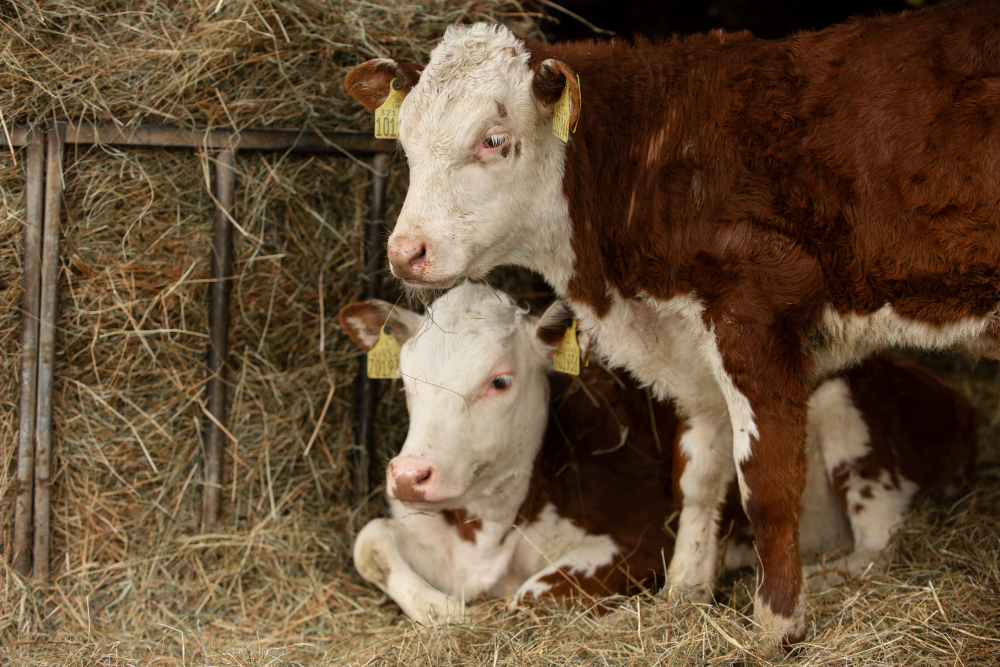
Selena Power Veterinary Supplement protects livestock health by delivering bioavailable selenium and Vitamin E together. These two antioxidants defend cell membranes against oxidative stress while strengthening immune and reproductive performance.
Modern livestock operations push cattle, sheep, goats, and poultry toward rapid growth and high output. Intensive production generates elevated metabolic heat and cellular free radicals inside fast-working tissues. In many agricultural regions, local soils lack sufficient natural selenium, leaving pasture and hay deficient. Selena Power Veterinary Supplement bridges this critical mineral gap before silent deficiencies erode herd productivity.
Cellular Synergy Between Selenium and Vitamin E
Selenium and Vitamin E work as a coordinated defense team inside every animal cell. Vitamin E embeds itself within lipid cell membranes to intercept destructive free radicals immediately. Meanwhile, selenium forms the active core of glutathione peroxidase, a vital intracellular antioxidant enzyme.
Membrane integrity depends directly on maintaining adequate levels of both nutrients simultaneously. When either nutrient runs low, oxidative damage destroys skeletal and cardiac muscle fibers rapidly. Young, fast-growing animals suffer the most severe consequences during their first weeks of life.
- Glutathione peroxidase neutralizes harmful hydrogen peroxide before it ruptures delicate cellular walls.
- Alpha-tocopherol (Vitamin E) stabilizes fatty acids inside muscle, nerve, and immune cell membranes.
- Thyroid hormone activation relies on selenium-dependent enzymes that regulate basal metabolic energy.
- Capillary protection prevents fluid leakage and tissue degeneration across rapidly developing skeletal muscles.
Preventing White Muscle Disease in Young Stock
Nutritional muscular dystrophy, commonly known as white muscle disease, strikes lambs, calves, and kids. Affected newborns struggle to stand, nurse weakly, or develop stiff, trembling hind limbs. If cardiac muscle fibers degenerate, sudden death can occur without prior warning signs.
Maternal mineral transfer during late gestation determines how well newborns resist early oxidative stress. Pregnant ewes and cows with low selenium reserves pass insufficient protection to their offspring. Providing Selena Power Veterinary Supplement during late pregnancy builds strong neonatal tissue reserves before birth.
- Lambs and calves born to supplemented dams show stronger nursing vigor at birth.
- Post-weaning growth rates remain steadier when muscle tissues stay free from subclinical damage.
- Cardiac resilience improves during stressful handling, transport, or sudden cold weather snaps.
- Overall survival rates climb across intensive lambing and calving seasons.
Strengthening Reproductive Performance and Herd Immunity
Subclinical selenium deficiency frequently disrupts breeding efficiency long before visible muscle weakness appears. Breeding females experience higher rates of retained placenta, silent heats, and early embryonic loss. In males, oxidative stress damages sperm motility and lowers overall conception rates across the herd.
Immune cell responsiveness also depends heavily on optimal antioxidant status during disease challenges. Neutrophils and lymphocytes generate reactive oxygen species to destroy invading bacteria and viruses. Without selenium and Vitamin E protection, immune cells destroy themselves during active infections.
- Reduces the incidence of retained fetal membranes following calving or lambing.
- Supports timely uterine involution and stronger conception rates at first breeding.
- Enhances colostrum antibody concentrations for superior passive immunity in newborns.
- Lowers somatic cell counts and mastitis susceptibility in high-producing dairy herds.
Safe Dosing and Soil Deficiency Considerations
Selenium has a narrower safety margin than many other essential trace minerals in livestock diets. Excessive intake causes chronic or acute selenosis, leading to hoof sloughing and hair loss. Farm managers should evaluate regional soil maps and base feed analyses before calculating doses.
Controlled liquid supplementation allows accurate dosing through drinking water or individual oral administration. Following manufacturer guidelines ensures animals receive therapeutic benefits without risking mineral toxicity. Consistent monitoring keeps herd mineral status squarely within the optimal physiological window.
- Review local forage selenium levels with a qualified livestock nutritionist.
- Follow exact species-specific dosing rates based on accurate body weight estimates.
- Account for selenium already present in commercial mineral blocks or pelleted feeds.
- Store liquid supplements tightly sealed in cool, dark rooms away from direct sunlight.
Connecting Herd Vitality to Selena Power Veterinary Supplement
Proactive antioxidant management protects farm profitability against preventable reproductive and neonatal losses. Selena Power Veterinary Supplement combines essential selenium and Vitamin E in an easily absorbed formulation. Integrating this support into breeding and weaning schedules strengthens overall herd resilience.
Healthy muscles, strong immunity, and reliable fertility form the backbone of sustainable livestock farming. Visit https://movetco.com/product/selena-power/ to review complete dosing protocols and product specifications today. Thoughtful mineral care keeps your animals productive across every season.
Sources and References
Guidance from the National Research Council (NRC) establishes species-specific selenium and Vitamin E requirements for livestock. Research published in the Journal of Animal Science demonstrates how antioxidant supplementation reduces retained placenta and white muscle disease. Clinical manuals from the Merck Veterinary Manual further detail selenium deficiency diagnosis and safe dosing limits.
Article 2
Keyphrase: Selenium Vitamin E Livestock
Meta Description: Optimize fertility, muscle strength, and immunity using Selenium Vitamin E Livestock nutrition strategies.
Why Is Selenium Vitamin E Livestock Supplementation Critical in Deficient Regions?
Selenium Vitamin E Livestock supplementation is critical because soil deficiencies silently impair growth, fertility, and immunity. Providing both nutrients together prevents muscular degeneration and boosts herd resilience under stress.
Across vast stretches of farmland worldwide, weathered soils contain minimal bioavailable selenium. Crops and pastures grown on these lands cannot supply enough trace minerals for modern livestock. Even high-quality hay loses significant Vitamin E potency after months of barn storage. Strategic Selenium Vitamin E Livestock programs close these unavoidable nutritional gaps cleanly.
How Forage Storage and Soil Chemistry Limit Intake
Fresh green pasture naturally supplies abundant Vitamin E during spring and early summer grazing. However, cutting, drying, and baling forage destroys up to eighty percent of natural tocopherols. By mid-winter, stored hay provides almost zero active Vitamin E to pregnant livestock.
Acidic or heavily fertilized soils further block plants from absorbing trace selenium through their roots. High sulfur or iron levels in soil or water compete directly with selenium uptake. Consequently, herds grazing lush-looking pastures can still suffer severe underlying antioxidant depletion.
- Stored winter hay loses natural Vitamin E activity rapidly through oxidation during storage.
- Acidic soil profiles bind selenium tightly, preventing uptake by pasture grasses and legumes.
- High-moisture grains treated with organic acids suffer rapid destruction of native tocopherols.
- Intensive confinement systems restrict animals from grazing fresh, vitamin-rich green forage.
Impact on Dairy Cattle, Sheep, and Poultry
Every livestock species relies on antioxidant enzymes to sustain peak commercial production. Dairy cows transitioning into lactation experience massive metabolic stress and sudden drops in blood antioxidants. Selenium Vitamin E Livestock support during the dry period protects udder health and post-calving recovery.
Poultry flocks also depend on selenium and Vitamin E to prevent exudative diathesis and encephalomalacia. Fast-growing broilers need robust cellular protection to support rapid breast muscle development. Breeding hens require adequate reserves to ensure strong embryo survival and vigorous hatchlings.
- Supports smooth transition periods and stronger immune defenses in fresh dairy cows.
- Protects growing lambs and goat kids against stiffness and sudden cardiac failure.
- Improves meat oxidative stability, extending shelf life and drip retention after processing.
- Enhances vaccine antibody responses across poultry, sheep, and cattle operations.
Recognizing Subclinical Deficiency Before Losses Mount
Clinical white muscle disease represents only the visible tip of a much larger iceberg. Far more farms lose money quietly through subclinical deficiency that lowers daily weight gain. Animals look outwardly normal yet convert feed poorly and struggle against minor infections.
Blood glutathione peroxidase testing offers veterinarians an accurate picture of long-term herd selenium status. Liver biopsies or serum Vitamin E assays provide additional precision for commercial operations. Identifying low reserves early lets managers intervene before breeding or calving seasons begin.
- Track conception rates and services per conception across breeding females each season.
- Monitor neonatal vigor and the speed at which newborns stand and nurse.
- Evaluate post-vaccination morbidity rates as an indirect indicator of herd immune strength.
- Consult your veterinarian for targeted blood sampling in high-risk pastures.
Supporting Your Herd With Selena Power
Selecting a balanced, bioavailable supplement removes guesswork from seasonal mineral management. Selena Power delivers targeted Selenium Vitamin E Livestock nutrition designed for rapid absorption and reliable results. Easy administration fits smoothly into busy farm routines before breeding, lambing, or transport.
Consistent antioxidant protection safeguards animal welfare and maximizes return on every ton of feed. Explore product details and species guidelines at https://movetco.com/product/selena-power/ to strengthen your herd health plan. Smart preventive nutrition keeps livestock thriving year-round.
Sources and References
Studies in Journal of Dairy Science highlight how pre-partum Vitamin E and selenium lower mastitis rates. Recommendations from Cornell University Department of Animal Science detail soil-forage selenium relationships and livestock supplementation. Publications in Small Ruminant Research further examine neonatal survival and reproductive gains in supplemented flocks.
Article 3
Keyphrase: White Muscle Disease Prevention
Meta Description: Protect newborn calves and lambs with proven White Muscle Disease Prevention nutrition strategies.
How Can Farmers Achieve Effective White Muscle Disease Prevention in Newborns?
Farmers achieve effective White Muscle Disease Prevention by supplementing pregnant dams with selenium and Vitamin E. Ensuring adequate mineral transfer before birth protects newborn skeletal and heart muscles immediately.
Few sights frustrate livestock producers more than losing vigorous, well-grown calves or lambs shortly after birth. White muscle disease strikes rapidly when newborn tissues lack antioxidant protection against sudden oxygen exposure. Transitioning from the womb to breathing air triggers an immediate surge in cellular free radicals. Proactive White Muscle Disease Prevention prepares neonatal muscles to handle this metabolic shift safely.
Understanding the Pathology of Nutritional Muscular Dystrophy
When selenium and Vitamin E run low, free radicals attack lipid membranes inside muscle fibers. Damaged cells leak intracellular enzymes like creatine kinase into the bloodstream. Calcium floods into injured muscle cells, causing calcification and pale, chalky white streaks.
Skeletal and cardiac forms present different clinical pictures depending on which muscle groups degenerate first. Skeletal involvement causes arched backs, stiff gaits, and inability to rise or nurse. Cardiac involvement damages heart walls directly, causing labored breathing, fluid buildup, and sudden collapse.
- Skeletal muscle degeneration affects the thigh, shoulder, and tongue muscles used for nursing.
- Myocardial necrosis impairs heart pumping capacity, leading to acute respiratory distress.
- Elevated muscle enzymes in blood tests confirm active tissue breakdown before severe stiffness appears.
- Secondary aspiration pneumonia often develops when weak throat muscles impair normal swallowing reflexes.
Timing Supplementation During Late Gestation
The final sixty days of pregnancy represent the most critical window for fetal mineral loading. During this stage, the growing fetus draws substantial selenium across the placenta. Simultaneously, the dam concentrates Vitamin E into colostrum for delivery immediately after birth.
Pre-partum supplementation ensures both the placenta and colostrum carry protective antioxidant levels. Waiting until newborns show stiffness often proves too late to reverse severe heart damage. Implementing White Muscle Disease Prevention three to four weeks before expected births delivers optimal protection.
- Administer targeted selenium and Vitamin E supplements during the last month of gestation.
- Ensure every newborn consumes generous amounts of warm colostrum within six hours.
- Provide follow-up oral doses to newborn lambs, kids, and calves in severely deficient zones.
- Keep birthing pens clean, dry, and draft-free to minimize cold-induced metabolic stress.
Managing High-Risk Periods After Birth
Even well-supplemented newborns face renewed oxidative spikes during weaning, vaccination, and sudden weather changes. Rapid spring pasture growth can also trigger delayed white muscle disease in weaned calves. Lush grass contains high polyunsaturated fatty acids that increase the body’s demand for Vitamin E.
Steady nutritional support across weaning and turnout keeps growing muscles resilient during rapid weight gain. Observing young stock closely during their first days on fresh pasture catches stiffness early. Prompt supportive care combined with rest helps mildly affected animals recover full mobility.
- Avoid sudden, strenuous driving or long transport of young stock in deficient regions.
- Balance high-fat or lush pasture diets with adequate Vitamin E and trace minerals.
- Isolate stiff or weak animals in comfortable pens close to feed and water.
- Work closely with your veterinarian to confirm diagnoses and rule out infectious joint ill.
Implementing Prevention With Selena Power
Reliable White Muscle Disease Prevention starts with dependable, bioavailable mineral nutrition for breeding herds. Selena Power supplies concentrated selenium and Vitamin E to protect dams and newborns alike. Easy liquid dosing simplifies herd-wide administration during busy pre-calving and pre-lambing seasons.
Protecting newborn livestock preserves genetic progress and secures seasonal farm profitability. Visit https://movetco.com/product/selena-power/ today to learn how this formula supports healthy, vigorous offspring. Consistent preventive care builds stronger herds from the very first day of life.
Sources and References
Guidelines from Oregon State University Extension detail regional selenium deficiency and white muscle disease protocols. Research in Veterinary Clinics of North America: Food Animal Practice examines neonatal myopathy and maternal mineral transfer. Findings in The Veterinary Journal further highlight antioxidant protection in growing calves and lambs.