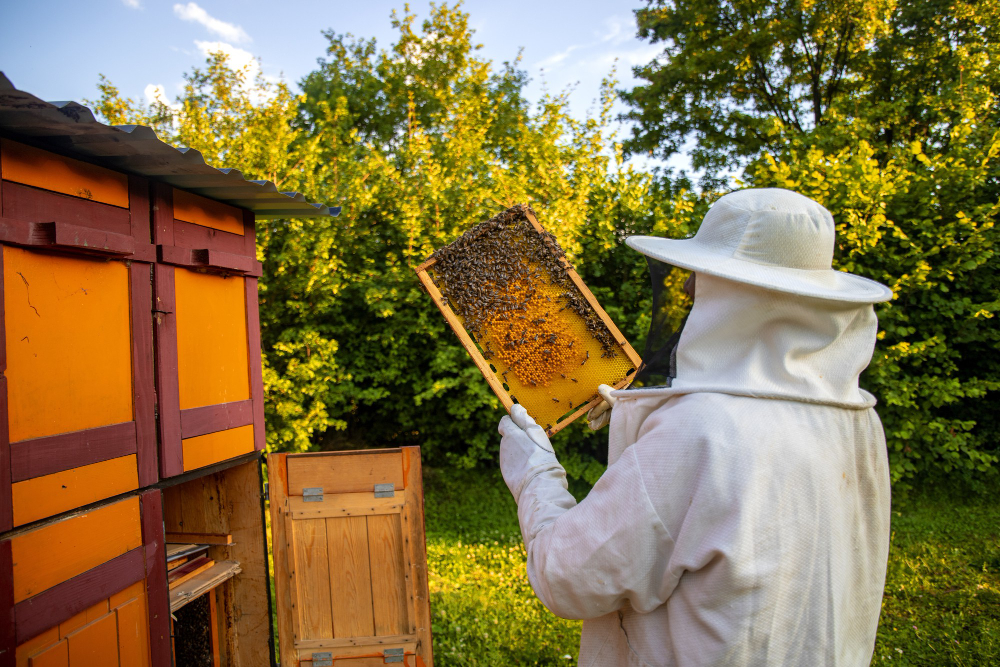
Mentho Acarine Apiculture Care supports hive health and vigor through targeted essential oil management. Aromatic botanical compounds help beekeepers maintain calmer colonies and steady brood care.
Honeybee colonies face seasonal mites, weather swings, nectar shifts, and management stress. Varroa and tracheal mites can weaken bees and spread viruses across frames. Timely, responsible intervention helps colonies stay strong through active and prep seasons. Mentho Acarine Apiculture Care gives beekeepers a structured option inside integrated apiary plans.
Role of Essential Oils in Apiary Management
Menthol and related monoterpenes are widely studied in integrated mite control programs. Volatile vapors move through hive air spaces and interact with mite respiration. Effective use depends on hive temperature, ventilation, and following label directions closely.
Colony strength shapes how well bees respond to any seasonal treatment. Strong worker populations keep brood warm, clean comb, and defend hive entrances. Weak or queenless colonies often need extra attention before adding treatments.
- Vapor dispersion relies on proper airflow and warm temperatures inside the hive.
- Integrated care pairs essential oil tools with monitoring and sound hive habits.
- Colony strength helps bees maintain brood care and steady hive activity.
- Seasonal timing matters because spring, late summer, and autumn carry different pressures.
High-Demand Windows Across Bee Colonies
Late summer and early autumn bring sharp mite pressure as brood slows. Winter bees need healthy fat bodies and low stress to survive cold months. Spring buildup also requires clean comb and steady foraging without heavy pest load.
Temperature swings affect how volatile oils evaporate and move across brood boxes. Extreme heat can stress bees and speed vapor release too fast. Cool weather can slow evaporation and reduce effectiveness across upper supers.
- Late summer and autumn buildup of winter bee populations across hives.
- Spring colony expansion when brood areas grow and nectar flows begin.
- Apiaries managing recurring mite pressure across nearby commercial or hobby yards.
- Colonies showing declining vigor, spotty brood, or rising mite counts.
Practical Monitoring and Hive Management Habits
Good beekeeping starts with regular mite checks using alcohol washes or sticky boards. Never treat blindly without checking counts, colony size, and honey super rules. Always remove honey supers when labels prohibit use during harvest periods.
Accurate placement keeps application safe, even, and aligned with label instructions. Wear protective gloves and eye gear when handling concentrated aromatic formulations. Clear apiary logs help beekeepers track colony response across every yard visit.
- Monitor mite levels regularly and follow label rules regarding honey supers.
- Check hive temperatures and ventilation before applying volatile essential oil products.
- Store containers sealed in cool, dry spaces away from heat and sunlight.
- Consult an apiculture specialist or veterinarian if unusual bee mortality appears.
Connecting Apiary Care to Mentho Acarine Apiculture Care
Beekeepers need dependable tools when seasonal mite pressure challenges colony strength. Mentho Acarine Apiculture Care fits smoothly into thoughtful apiary management routines. Consistent use pairs well with monitoring, good ventilation, and attentive care.
Review full product specifications and usage guidance at https://movetco.com/product/mentho-acarine/ today. Sound hive habits and smart care help colonies stay strong year-round.
Sources and References
Guidance from the FAO Beekeeping and Sustainable Livelihoods covers hive health and pest management. Research in Journal of Apicultural Research examines essential oils, menthol, and mite control. Manuals from the Honey Bee Health Coalition outline integrated varroa management practices.
Article 2
Keyphrase: Essential Oil Mite Care
Meta Description: Aid colony vigor and pest control with Essential Oil Mite Care habits.
Why Should Beekeepers Use Essential Oil Mite Care in Integrated Plans?
Beekeepers use Essential Oil Mite Care in integrated plans to rotate control tools. Rotating modes of action helps manage resistance risk while supporting hive health.
Relying on one control method year after year can strain colony management. Mite populations adapt over time, and weather shifts change hive dynamics quickly. Essential Oil Mite Care gives apiarists a practical botanical option during key windows.
How Integrated Pest Management Protects Hives
Integrated pest management combines monitoring, cultural habits, and targeted treatments. Beekeepers count mites, track brood patterns, and time actions around colony cycles. Good records show which steps work best across different yards and seasons.
Hive environment also shapes colony resilience throughout the entire year. Dry bottom boards, adequate ventilation, and protection from robbing keep stress lower. Healthy bees handle seasonal challenges far better than crowded or stressed hives.
- Method rotation helps keep apiary control programs balanced across multiple seasons.
- Regular sampling guides when action is needed instead of guessing.
- Hive ventilation supports comfortable airflow and even vapor movement inside boxes.
- Early observation spots queen issues, disease signs, or pest spikes sooner.
Pairing Botanical Care With Clean Apiary Habits
No product replaces clean equipment, strong queens, or sensible hive spacing. Avoid moving frames with heavy mite loads into weak or newly split hives. Keep apiary yards tidy and free from old wax scraps or spilled syrup.
Safe handling protects both the beekeeper and the colony during inspection days. Read labels carefully before every application and note temperature limits. Partner with local beekeeping associations or specialists when refining yard schedules.
- Inspect colonies calmly and avoid opening hives during harsh weather extremes.
- Follow label rules on dosage, application placement, and honey super removal.
- Wear gloves and eye protection when handling essential oil products.
- Consult an apiculture specialist if colony decline or unusual signs appear.
Safe Storage and Handling Practices
Proper storage keeps aromatic botanical formulations potent, clean, and safe to use. Heat and sunlight can alter volatile oils and degrade packaging seals. Always store containers tightly sealed in cool, dry, well-ventilated storage areas.
Clean measuring prevents spills and dosing errors during busy apiary days. Keep products away from food, feed, and open flames or heat sources. Check labels and expiration dates regularly before opening new stock.
- Store containers in cool, dry, shaded areas away from heat and flames.
- Close caps or seals tightly right after measuring each hive dose.
- Measure carefully using clean tools and follow label instructions strictly.
- Keep clear apiary logs of dates, yard locations, and hive notes.
Choosing Mentho Acarine for Colony Care
Reliable seasonal care helps colonies stay steady through changing nectar and weather cycles. Mentho Acarine delivers practical Essential Oil Mite Care for apiary routines. Thoughtful use pairs naturally with monitoring and attentive hive management.
Visit https://movetco.com/product/mentho-acarine/ to check product details and usage guidance today. Sound apiary habits and smart care keep colonies strong and productive.
Sources and References
Studies in Apidologie examine honeybee health, essential oils, and varroa management. Recommendations from Penn State Extension Beekeeping cover mite monitoring and integrated hive care. Publications in Insects review botanical control tools and pollinator health.
Article 3
Keyphrase: Hive Health Mite Control
Meta Description: Support strong colonies and winter bees with Hive Health Mite Control habits.
How Can Hive Health Mite Control Improve Colony Survival?
Hive Health Mite Control improves survival by protecting brood and winter bees. Lower mite stress helps colonies enter cold months with strong populations.
Winter survival depends heavily on healthy bees raised in late summer and autumn. High mite loads during brood rearing can shorten bee lifespans and weaken colonies. Focusing on Hive Health Mite Control helps keep seasonal protection on schedule.
Supporting Late-Season and Winter Bees
Late-season workers must live long enough to cluster and rear early spring brood. Healthy nutrition, clean comb, and low pest pressure support strong winter bees. Beekeepers watch mite counts closely as brood rearing winds down in autumn.
Colony nutrition pairs closely with pest care before winter settles in. Adequate honey or syrup stores and pollen availability fuel steady cluster warmth. Strong, healthy clusters handle cold snaps with far fewer winter losses.
- Support late-summer and autumn colonies raising long-lived winter bees.
- Check mite levels before winter cluster formation and follow label windows.
- Ensure hives have sufficient winter stores and dry, draft-free shelter.
- Track colony strength, brood patterns, and mite counts across seasons.
Building Clean Daily Apiary Routines
Good routines combine regular mite checks, clean equipment, and calm inspections. Avoid harsh hive disturbances that chill brood or trigger defensive stress. Keep supers, frames, and tools organized across every apiary visit.
Specialist guidance keeps apiary health plans grounded, legal, and well-timed. Always respect local regulations and product label rules for honey harvest safety. Prompt action protects neighboring colonies from drifting or robbing spread.
- Monitor mite counts regularly and keep clear records for every hive.
- Follow label serving directions carefully based on hive setup and season.
- Store products safely away from children, pets, heat, and direct sun.
- Seek specialist advice promptly if unusual brood damage or bee loss appears.
Safe Handling and Storage Reminders
Proper storage keeps essential oil formulations effective, clean, and easy to use safely. Keep containers tightly sealed in cool, dry areas away from sunlight. Avoid damp floors, direct heat, or strong chemical odors in storage spaces.
Consistent routines keep busy apiary schedules organized and error-free. Use dedicated tools for measurement and close lids right after each use. Clear logs make it easy to review colony results over time.
- Store products in cool, dry, shaded rooms away from heat and sun.
- Close lids or seals tightly right after measuring each serving.
- Measure serving sizes accurately based on label guidelines and hive needs.
- Keep cycle logs of application dates, yard notes, and hive vigor.
Strengthening Care With Mentho Acarine
Thoughtful Hive Health Mite Control habits keep colonies resilient across seasons. Mentho Acarine offers targeted essential oil support for apiary routines. Reliable use alongside sound management supports lasting colony vigor.
Learn more at https://movetco.com/product/mentho-acarine/ and review full product specifications today. Sound apiary habits and smart care help colonies thrive every day.
Sources and References
Research – References
FAO – Beekeeping and Sustainable Livelihoods
Journal of Apicultural Research