Hairbol Hairball Control Supplement supports smooth digestion by helping swallowed hair move through the gut. Regular passage lowers hair accumulation in the stomach and eases digestive strain.
Cats groom themselves for hours every day using rough tongues that catch loose fur. Swallowed hair can gather into dense trichobezoars when gastric motility slows down. Over time, hair buildup may trigger gagging, dry retching, or poor appetite. Hairbol Hairball Control Supplement provides practical nutritional care for everyday feline comfort.
Why Hairballs Form in Cats
Keratin in cat hair resists normal breakdown by stomach acid and digestive enzymes. Most loose fur passes cleanly in stool when gut motility stays active. Problems start when grooming spikes or digestion moves more slowly than usual.
Seasonal shedding brings heavier coats and extra loose hair during spring and autumn. Indoor cats with less activity or dry skin may also shed more frequently. Keeping digestive flow steady helps prevent small hair tufts from matting together.
- Frequent grooming increases swallowed hair during stress, boredom, or coat changes.
- Slower gut motility lets hair clump together instead of passing with normal waste.
- Heavy shedding adds extra hair load during spring and fall coat transitions.
- Dry coats shed more loose strands when skin moisture runs low.
Signs That Warrant Closer Attention
Occasional hairballs can happen in healthy cats, yet frequent retching deserves careful thought. A cat that strains repeatedly without producing hair may face deeper discomfort. Appetite loss, lethargy, or constipation always call for closer observation.
Early veterinary checks help rule out blockages, dental pain, or underlying gut issues. Never assume every cough or gag comes solely from a hairball. Prompt care keeps minor digestive hiccups from becoming serious emergencies.
- Repeated hacking or gagging without clearing hair or food.
- Reduced appetite, hiding, or unusual quietness across daily routines.
- Hard, dry stools, straining in the litter box, or bloating.
- Persistent vomiting, weight loss, or weakness that lasts more than a day.
Practical Grooming and Care Habits
Simple daily habits reduce how much loose hair enters a cat’s digestive tract. Regular brushing removes dead undercoat before rough tongues pick it up. Clean water bowls and balanced diets keep stool moisture and motility steady.
Enrichment and play also help keep indoor cats active and less stressed. Short play sessions burn energy and break up repetitive stress grooming. Consistent litter box care lets owners spot digestive shifts right away.
- Brush coats regularly, especially during heavy spring and autumn shedding weeks.
- Offer fresh water daily and feed balanced diets suited to age and needs.
- Provide interactive play to reduce boredom and stress-related over-grooming.
- Scoop litter boxes daily to monitor stool consistency and frequency.
Connecting Feline Care to Hairbol Hairball Control Supplement
Cat owners need reliable tools to keep digestion moving comfortably every week. Hairbol Hairball Control Supplement fits smoothly into daily routines for hairball care. Consistent use pairs well with brushing, hydration, and attentive feline management.
Review full product specifications and usage guidance at https://movetco.com/product/hairbol/ today. Thoughtful care and daily habits keep cats comfortable and active.
Sources and References
Guidance from the Cornell Feline Health Center covers hairballs, grooming habits, and feline digestive care. Research in Journal of Feline Medicine and Surgery examines gastrointestinal motility and trichobezoars in cats. Clinical reviews in the Merck Veterinary Manual detail hairballs and feline gastrointestinal health.
Article 2
Keyphrase: Feline Hairball Digestion Care
Meta Description: Support healthy feline gut movement and coat care with Feline Hairball Digestion Care.
Why Should Cat Owners Use Feline Hairball Digestion Care Routines?
Cat owners use Feline Hairball Digestion Care routines to keep hair moving cleanly. Steady digestive transit reduces stomach irritation and supports comfortable daily eating.
Grooming keeps a cat’s coat clean, yet swallowed hair challenges sensitive stomachs. Indoor living, warm homes, and seasonal shedding all add to hairball risk. A Feline Hairball Digestion Care routine helps address digestion alongside regular grooming.
How Digestion Shapes Hair Passage
Healthy gut contractions propel food, fiber, and loose hair steadily toward elimination. When transit slows, hair stays longer in the stomach and tangles easily. Keeping digestion regular helps prevent stubborn hair mass buildup over time.
Diet and hydration play major roles in how smoothly waste moves along. Cats with low water intake often pass drier stools and sluggish transit. Balanced nutrition and steady moisture support smoother digestive flow every day.
- Gut motility moves swallowed fur along the tract before dense clumps form.
- Hydration status supports softer stools and steadier intestinal transit.
- Dietary fiber helps bulk and move waste cleanly through the digestive system.
- Stress reduction helps avoid tension that can disrupt normal eating and grooming.
Managing Shedding and Indoor Environments
Indoor cats live in steady temperatures that can trigger year-round shedding. Central heating and air conditioning also dry indoor air during extreme seasons. Brushing a few minutes each week catches plenty of loose hair early.
Calm living spaces help prevent stress grooming that adds extra swallowed fur. Provide scratching posts, window perches, and quiet resting spots for comfort. Good daily structure keeps cats relaxed and settled around the house.
- Brush short-haired and long-haired cats routinely to trap loose fur early.
- Keep indoor air comfortable and provide clean water stations in quiet spots.
- Offer vertical perches, hiding boxes, and play to lower household stress.
- Introduce any new supplement or diet change gradually over several days.
Safe Storage and Feeding Practices
Good storage keeps feline supplements fresh, clean, and easy to administer. Keep containers tightly sealed in cool, dry areas away from pets’ reach. Check labels carefully for serving instructions and age suitability.
Consistent routines make daily administration calm for both cat and owner. Pair dosing with a familiar meal or calm moment each day. Simple notes help track how well your cat responds over time.
- Store products sealed in cool, dry spaces away from heat and sunlight.
- Follow label serving directions carefully based on cat weight and needs.
- Keep containers out of reach so curious cats never over-consume them.
- Consult your veterinarian if digestive symptoms persist or worsen.
Choosing Hairbol for Feline Comfort
Reliable digestive support helps cats stay comfortable through every shedding season. Hairbol delivers Feline Hairball Digestion Care in a practical format for owners. Steady use pairs naturally with brushing, clean water, and attentive care.
Visit https://movetco.com/product/hairbol/ to check product details and usage guidance today. Thoughtful routines help cats enjoy smoother digestion and happier days.
Sources and References
Studies in Journal of Feline Medicine and Surgery examine feline gastrointestinal transit and hairball management. Recommendations from the AAFP / Feline Veterinary Medical Association cover indoor cat care and enrichment. Publications in Animals discuss feline welfare, grooming behavior, and digestive health.
Article 3
Keyphrase: Prevent Cat Hairballs Naturally
Meta Description: Learn practical ways to Prevent Cat Hairballs Naturally and support digestion.
How Can Owners Prevent Cat Hairballs Naturally Across Every Season?
Owners Prevent Cat Hairballs Naturally by combining regular brushing, hydration, and digestive care. Fewer loose hairs swallowed and smoother gut transit keep hairballs from building.
Preventing hairballs takes simple habits practiced consistently rather than last-minute fixes. Brushing removes excess hair before grooming turns it into stomach clumps. Supporting hydration and gut movement helps any remaining hair pass cleanly. Learning how to Prevent Cat Hairballs Naturally makes feline care much easier.
Building a Weekly Grooming Habit
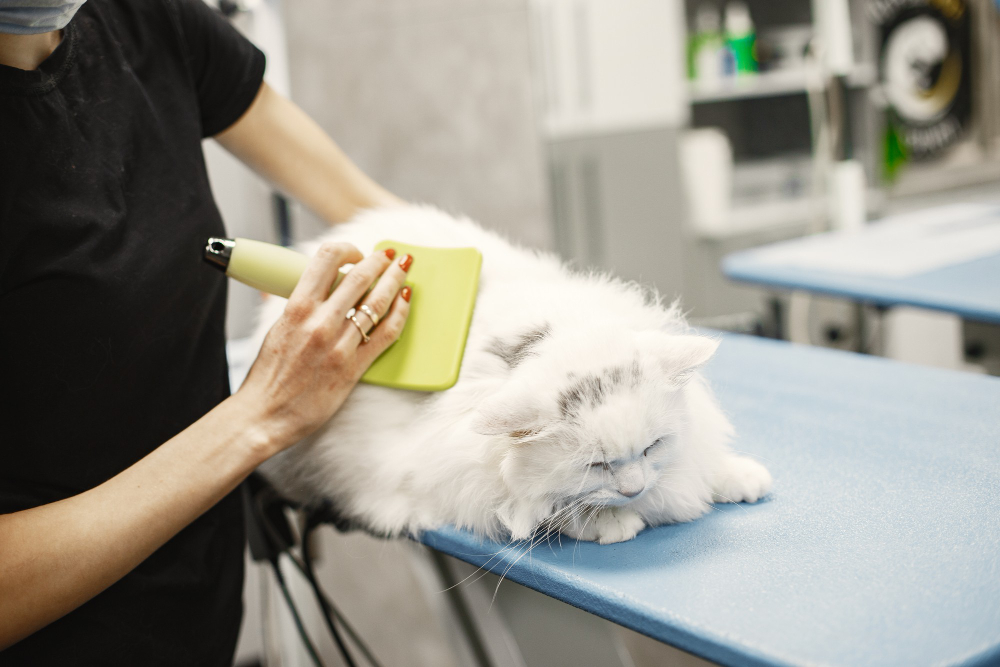
Brushing fits easily into a calm routine a few times each week. Long-haired breeds often need more frequent sessions than short-haired cats. Keep sessions brief and positive so your cat enjoys the attention.
Coat care also lets you check skin health and spot lumps early. Dry skin, dandruff, or excess shedding often show up under your brush. Steady grooming strengthens your bond while cutting down on swallowed hair.
- Brush long-haired cats often and short-haired cats several times weekly.
- Use gentle strokes suited to coat length so pulling stays minimal.
- Keep grooming sessions short and reward calm behavior with praise or play.
- Watch for excessive licking patches that may signal skin irritation or stress.
Supporting Hydration and Gut Rhythm
Water intake matters deeply for cats because their thirst drive runs low. Wet food, water fountains, and multiple bowls can encourage steadier drinking. Better hydration supports smoother digestion and healthier stool consistency.
Predictable routines keep eating, drinking, and litter box habits steady. Avoid sudden schedule chaos or abrupt food switches whenever possible. Calm daily patterns help the digestive tract work without extra strain.
- Place fresh water bowls away from litter boxes and noisy appliances.
- Consider a pet water fountain if your cat prefers moving water.
- Maintain steady feeding times and avoid abrupt changes in daily routines.
- Watch litter box habits closely so changes never go unnoticed.
When to Call the Veterinarian
Some digestive signs look similar to hairballs at first glance. Coughing, wheezing, hairballs, or nausea can overlap in tricky ways. Never guess when a cat seems uncomfortable or unwell.
Veterinary guidance gives accurate answers for recurring or severe symptoms. Share how often retching happens, along with appetite and stool notes. Early care protects your cat’s comfort and prevents bigger health setbacks.
- Seek veterinary care for frequent retching, vomiting, or reduced appetite.
- Get prompt help if your cat strains without passing stool or urine.
- Report coughing, laboured breathing, or sudden lethargy right away.
- Review ongoing hairball care plans with your veterinarian during checkups.
Pairing Daily Care With Hairbol
Consistent habits help you Prevent Cat Hairballs Naturally across every season. Hairbol offers targeted nutritional support that complements grooming and hydration. Reliable daily care keeps cats feeling comfortable and well.
Learn more at https://movetco.com/product/hairbol/ and review full product specifications today. Thoughtful care and steady habits support lasting feline comfort.
Sources and References
Guidance from the Cornell Feline Health Center outlines hairball prevention, grooming, and feline health. Research in Journal of Feline Medicine and Surgery examines feline digestive health and clinical signs. Reviews in Veterinary Clinics of North America: Small Animal Practice cover feline gastrointestinal care.