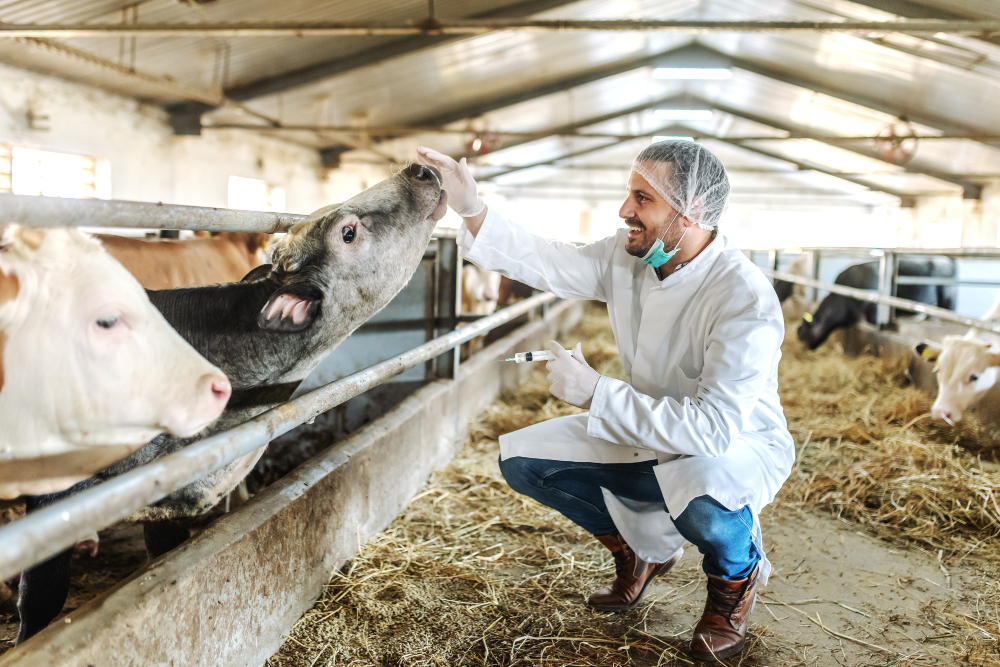
Respiratory Support Animal Health protects animals by soothing airways and easing breathing stress. Clear airways help oxygen reach working tissues without extra effort.
Dusty barns, dry bedding, cold drafts, and transport challenge breathing every day. Ammonia fumes or airborne particles can irritate delicate respiratory linings quickly. Stamina drops and recovery slows when breathing feels tight or laboured. Respiratory Support Animal Health offers practical care when air quality or stress rises.
Why Clear Airways Matter Across Species
Healthy lungs and airways supply oxygen for every muscle and organ. Mucous membranes trap inhaled dust and microbes before they reach deep lungs. Smooth airflow keeps breathing calm during exercise, work, or warm weather.
Airway irritation can start quietly after dusty sweeps or sudden weather shifts. Mild coughing, nasal discharge, or faster breathing often signal early strain. Keeping respiratory linings calm helps animals stay active and comfortable.
- Mucociliary clearance helps move trapped dust and particles out of airways.
- Oxygen exchange supports stamina, alertness, and smooth recovery after exertion.
- Airway comfort reduces coughing and throat irritation during dusty or dry periods.
- Steady breathing helps animals handle heat, travel, and workload shifts better.
Environmental Triggers Around Barns and Stables
Enclosed housing concentrates dust, mold spores, and manure gases quickly. Wet bedding or poor ventilation lets ammonia build up near floor level. Trailers and show barns can also expose animals to unfamiliar air.
Seasonal transitions often bring sharp swings in humidity and temperature. Cold drafts or stagnant warm air can bother sensitive airways. Simple barn adjustments lower airborne irritants across pens and stables.
- Dusty hay, dry shavings, or sweeping while animals stand inside.
- Poor barn ventilation that traps ammonia, moisture, or stale air.
- Long trailer rides, crowded venues, or sudden temperature changes.
- Dry weather or seasonal shifts that stir up dust and pollen.
Practical Barn and Management Habits
Good air quality starts with steady ventilation without cold drafts on animals. Shake hay outdoors or wet it lightly if dust is heavy. Clean stalls and aisles regularly so irritants never build up.
Daily observation helps caretakers spot breathing changes before problems grow. Watch breathing rate at rest, nasal comfort, and energy during work. Call a veterinarian promptly if fever, heavy distress, or coughing appears.
- Improve airflow and ventilation while keeping animals out of harsh drafts.
- Reduce dust by keeping aisles dampened and hay storage separate.
- Monitor breathing rate, coughs, and attitude during daily barn checks.
- Consult a veterinarian whenever respiratory signs look severe or persistent.
Connecting Airway Care to Respiratory Support Animal Health
Caretakers need dependable routines when dust, travel, or weather test breathing. Respiratory Support Animal Health fits smoothly into daily barn and stable plans. Consistent care helps keep airways clear and animals comfortable across seasons.
Review full product specifications and usage guidance at https://movetco.com/product/respiratory-support/ today. Clean air and attentive care support healthy, active animals every day.
Sources and References
Guidance from the American Association of Equine Practitioners covers equine airway health and barn air quality. Research in Journal of Animal Science examines respiratory health and environmental stress in livestock. Clinical reviews in the Merck Veterinary Manual detail respiratory care and airway management in animals.
Article 2
Keyphrase: Animal Respiratory Support Supplement
Meta Description: Ease breathing stress and support airways with an Animal Respiratory Support Supplement.
Why Should You Use an Animal Respiratory Support Supplement in Dusty Barns?
Using an Animal Respiratory Support Supplement in dusty barns helps soothe airways. Targeted support eases respiratory strain when airborne irritants challenge breathing comfort.
Barns and stables rarely offer dust-free air throughout the year. Forage handling, bedding changes, and dry weather stir fine particles constantly. Even healthy animals can cough or feel winded when air gets heavy. An Animal Respiratory Support Supplement gives owners a practical daily option.
How Dust and Gases Stress Airways
Fine particles settle along nasal passages, throats, and bronchial tubes. Ammonia and other gases irritate delicate mucosal linings on contact. Over time, repeated irritation can leave airways reactive and less comfortable.
Recovery after exertion also depends on smooth oxygen delivery and calm breathing. Working horses and active livestock feel flat when airways stay irritated. Supporting respiratory comfort helps keep work and daily routines running smoothly.
- Inhaled dust irritates upper and lower airways during barn chores or rides.
- Ammonia buildup stresses mucosal linings in poorly ventilated housing.
- Exercise demand rises when breathing takes extra effort during work.
- Comfort support helps animals settle faster after dusty or stressful days.
Pairing Airway Care With Clean Housing
Supplements work best when barn air and bedding stay clean. Store hay away from living or stabling areas whenever possible. Keep aisles swept cleanly and avoid stirring dust right before feeding.
Ventilation balance moves stale air out without creating chilly drafts. Check fans, windows, and roof vents across changing weather. Good air movement protects both animals and caretakers every single day.
- Store hay and straw away from stalls or indoor animal pens.
- Keep bedding dry and clean to limit ammonia and mold spores.
- Maintain steady air exchange across barns without cold drafts.
- Watch group breathing closely after moving hay or cleaning pens.
Spotting Early Signs of Airway Strain
Subtle breathing clues often appear before obvious distress develops. A single cough during warm-up or extra nostrils flare can matter. Slower recovery after mild work also deserves a closer look.
Early veterinary advice protects animals when symptoms look unusual or severe. Check temperature, nasal discharge, and breathing rhythm calmly each day. Prompt care helps prevent minor airway irritation from turning serious.
- Watch for occasional coughing, nasal discharge, or noisy breathing.
- Notice slower recovery or reduced stamina during light exercise.
- Check resting breathing rate in calm, comfortable barn conditions.
- Contact a veterinarian promptly if fever, laboured breathing, or lethargy occurs.
Choosing Respiratory Support for Daily Care
Reliable airway support helps animals stay comfortable when air quality dips. Respiratory Support offers an Animal Respiratory Support Supplement for practical care. Consistent use pairs well with clean ventilation and attentive management.
Visit https://movetco.com/product/respiratory-support/ to check product details and usage guidance today. Sound barn habits and targeted care keep animals breathing easier.
Sources and References
Studies in Equine Veterinary Journal examine airway irritation, dust exposure, and respiratory health. Recommendations from UC Davis Center for Equine Health cover stable air quality and breathing care. Publications in Poultry Science review respiratory comfort and air management in animal housing.
Article 3
Keyphrase: Equine Livestock Breathing Health
Meta Description: Support clear breathing and stamina with Equine Livestock Breathing Health care.
How Can Equine Livestock Breathing Health Habits Improve Stamina?
Equine Livestock Breathing Health habits improve stamina by keeping airways clear. Smooth airflow delivers oxygen efficiently so muscles work with less fatigue.
Stamina relies heavily on how easily oxygen moves from air to blood. Irritated airways or dusty environments make every breath work harder. Animals tire sooner when breathing feels restricted during exercise or heat. Focusing on Equine Livestock Breathing Health supports lasting energy and comfort.
Supporting Stamina Through Smart Routines
Gradual conditioning helps cardiovascular and respiratory systems adapt without strain. Warm up calmly before picking up speed or demanding movements. Cool down slowly so breathing rates settle evenly after work.
Hydration and air quality also shape how well animals handle exertion. Dry throats and dusty air add friction during heavy breathing. Simple habits keep workouts productive and comfortable across seasons.
- Warm up gradually so airways and muscles adjust smoothly to work.
- Keep fresh water available before and after exercise or warm days.
- Avoid strenuous work in heavy dust, smoke, or extreme heat.
- Cool animals out calmly until breathing returns toward baseline.
Safe Storage and Clean Handling Practices
Proper storage keeps respiratory supplements fresh, clean, and reliable. Heat, humidity, and sunlight can affect product quality over time. Keep containers sealed tightly in cool, dry storage rooms.
Accurate dosing ensures animals receive steady support without guesswork. Follow label directions carefully for species, age, and weight. Simple records make seasonal care organized and easy to review.
- Store containers in cool, dry, shaded areas away from direct heat.
- Close lids tightly right after measuring each serving or dose.
- Measure carefully using clean tools and follow label instructions.
- Keep clear notes on dosing dates, weather shifts, and animal vigor.
Combining Care With Sound Management
Supplements work best inside a complete, calm, consistent care plan. Clean housing, balanced rations, and regular veterinary checks support overall health. Watching animals daily helps catch subtle needs before they grow.
Long-term resilience comes from small habits practiced consistently every day. Pair smart nutrition with clean air and thoughtful workloads. Good care helps horses and livestock stay active and comfortable.
- Provide clean, well-ventilated housing and dry bedding year-round.
- Keep base rations balanced with quality forage and clean water.
- Schedule routine veterinary and dental checks to support overall health.
- Seek veterinary care whenever breathing looks strained or unusual.
Strengthening Care With Respiratory Support
Consistent Equine Livestock Breathing Health habits help keep animals active and steady. Respiratory Support provides targeted care that fits smoothly into daily routines. Reliable use alongside clean air supports lasting comfort and performance.
Learn more at https://movetco.com/product/respiratory-support/ and review full product specifications today. Thoughtful management and airway care help animals thrive every day.
Sources and References
Guidance from University of Minnesota Extension covers barn ventilation, air quality, and animal health. Research in Journal of Equine Veterinary Science examines breathing mechanics and exercise in horses. Reviews in Animals discuss respiratory health, welfare, and management in livestock.